A brush set can contain a dozen shapes and still leave you reaching for only two. When bathroom storage is limited, a smaller tool wardrobe makes more sense: one brush for each application you regularly do, plus a place to dry it properly. Start with your makeup habits, because a useful tool for pressed powder may be unnecessary for a cream-only routine.
Audit the products already on your shelf
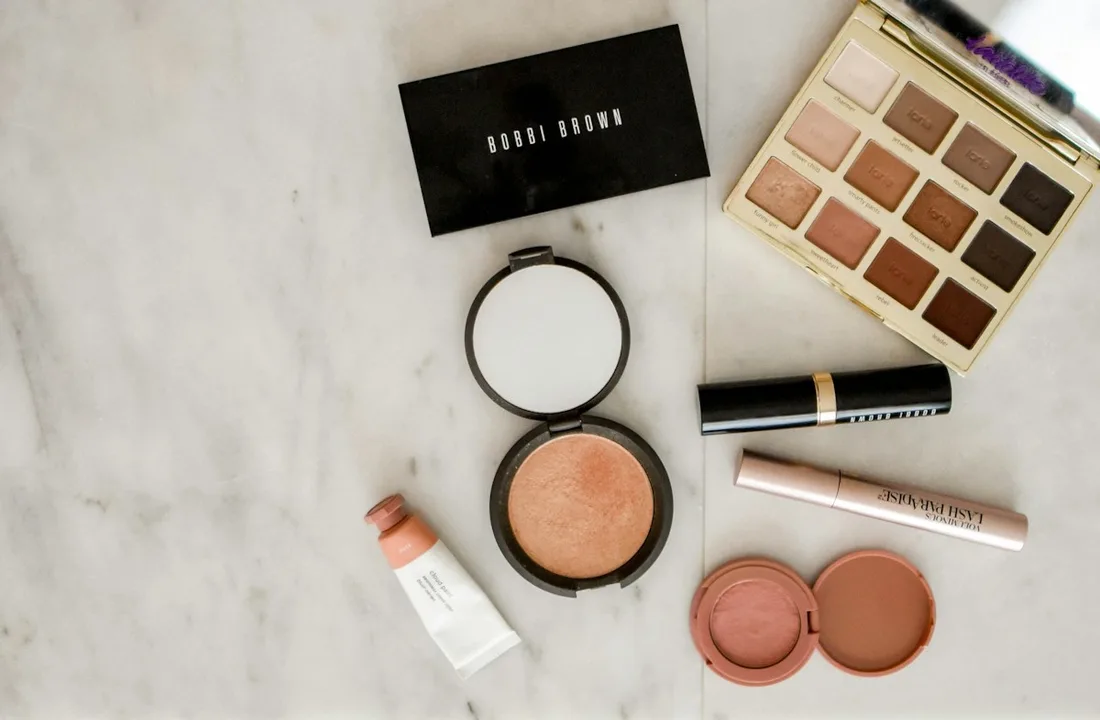
Lay out the products you use in an ordinary week. Group them by texture and application area: base, cheeks, eyes, and brows. Notice where your current method frustrates you. If blush routinely lands in a sharp stripe, a softer brush with less concentrated pickup may help. If your base sits unevenly around the nose, a smaller blending head could be more useful than an oversized face brush.
Do not assume every category needs its own tool. A cheek brush can sometimes apply another powder product when cleaned appropriately, but switching between strongly pigmented shades without cleaning can muddy the result. Separate tools are useful when they remove a recurring inconvenience. They are less useful when they simply complete the display of a matching set.
Match density to the job
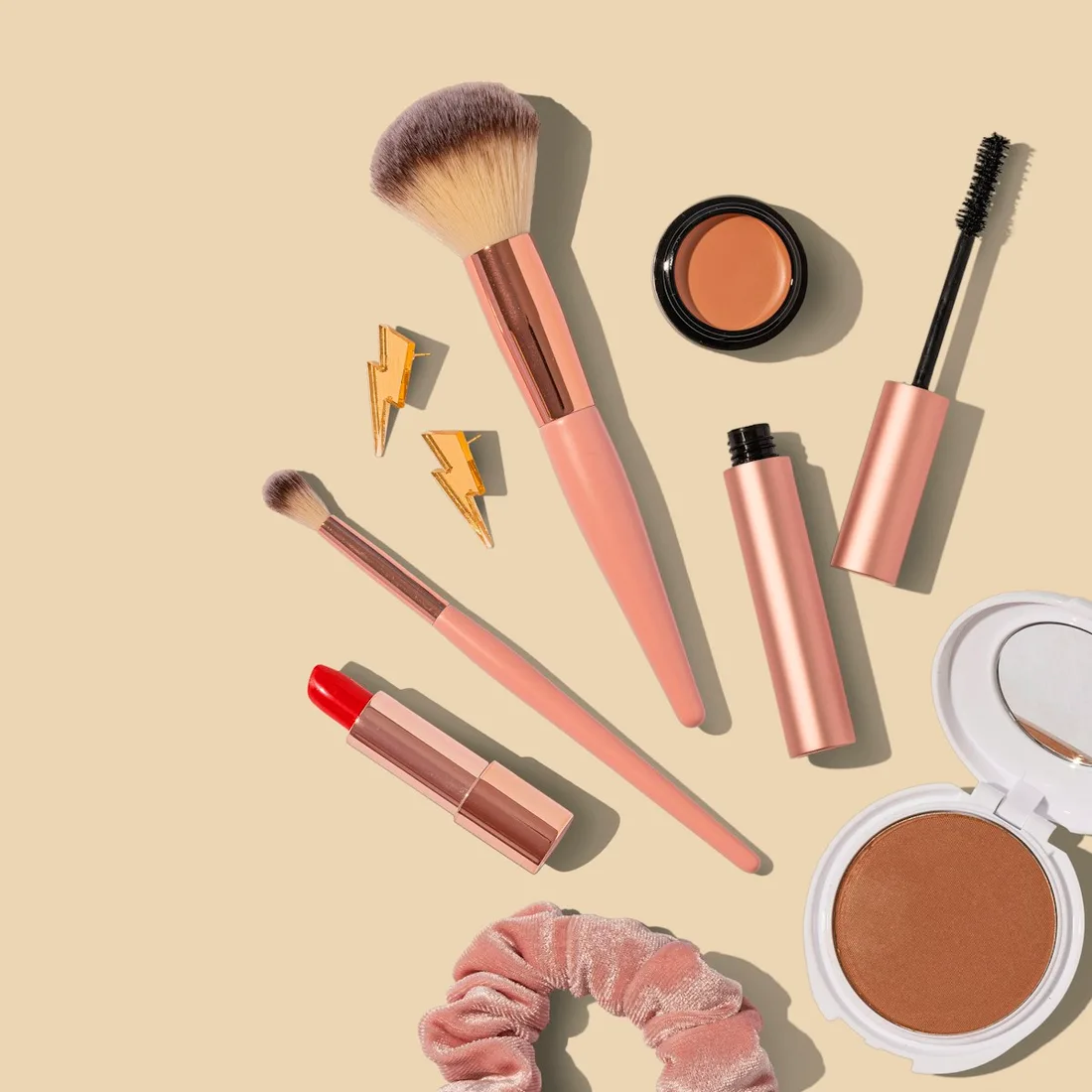
Dense brushes offer more controlled contact and can suit buffing certain creams or liquids. Fluffier brushes distribute powder over a wider area with a lighter touch. A tapered head reaches smaller areas; a broad rounded head covers cheeks quickly. Product instructions should guide the choice, since formulas differ and a brush that works with one compact may pick up too much from another.
| Task | Shape to consider | Tradeoff |
|---|---|---|
| Spot blending | Small rounded head | Precise, slower over a whole face |
| Powder blush | Soft medium head | Gentle placement, less detail |
| Simple eye color | Rounded eye brush | Flexible, limited sharp lines |
| Brow grooming | Spoolie | Useful alone, adds no color |
Use the table to identify gaps, not to purchase all four. A person who wears one cream cheek product and no shadow may need a completely different selection from someone who enjoys a powder eye look every day.
Consider the handle in your actual room
Long handles can feel balanced at a vanity, but they may bump the mirror in a narrow bathroom or protrude from a travel pouch. Very short handles pack easily yet can be harder to control. Measure your storage opening and check product dimensions before ordering. A brush that fits flat inside your usual bag is more useful than one that forces you to buy a larger organizer.
Look for a secure connection between head and handle, clear material information, and care instructions you can follow. A premium-looking finish does not tell you how the brush will behave after washing. Read customer feedback for repeated reports about shedding or loose ferrules, while remembering that individual reviews are not controlled comparisons. Keep the retailer’s return conditions in view if feel and size are difficult to judge online.
Plan washing before storage
Follow the manufacturer’s cleaning method and allow tools to dry thoroughly in an appropriate position. Avoid putting damp brushes into closed pouches. Dense heads may take longer to dry, which matters when you wash tools late at night before a morning trip. Owning one backup for a frequently used task can be practical, but buying multiple copies of every shape creates another storage problem.
A simple open cup works for clean, dry brushes at home. A travel sleeve protects bristles in a bag, but needs ventilation between trips. Keep tools away from splashes and do not store them loose beside a leaking bottle. For drawers, a low divider can stop handles rolling together without requiring a dedicated beauty cabinet.
Make the first purchase solve one problem
Choose the tool that improves your most frequent application, then assess whether it makes the routine easier. If a set costs less than individual brushes, calculate how many pieces you would genuinely use. Unused tools still take space and require sorting. The five-minute morning kit is a helpful way to identify the steps that matter before shopping.
Our beauty shopping edit provides a starting point for comparing formats. Check measurements, intended formula compatibility, and care details on the retailer’s current page. A small brush wardrobe works when every tool has a clear task and a realistic place to live.