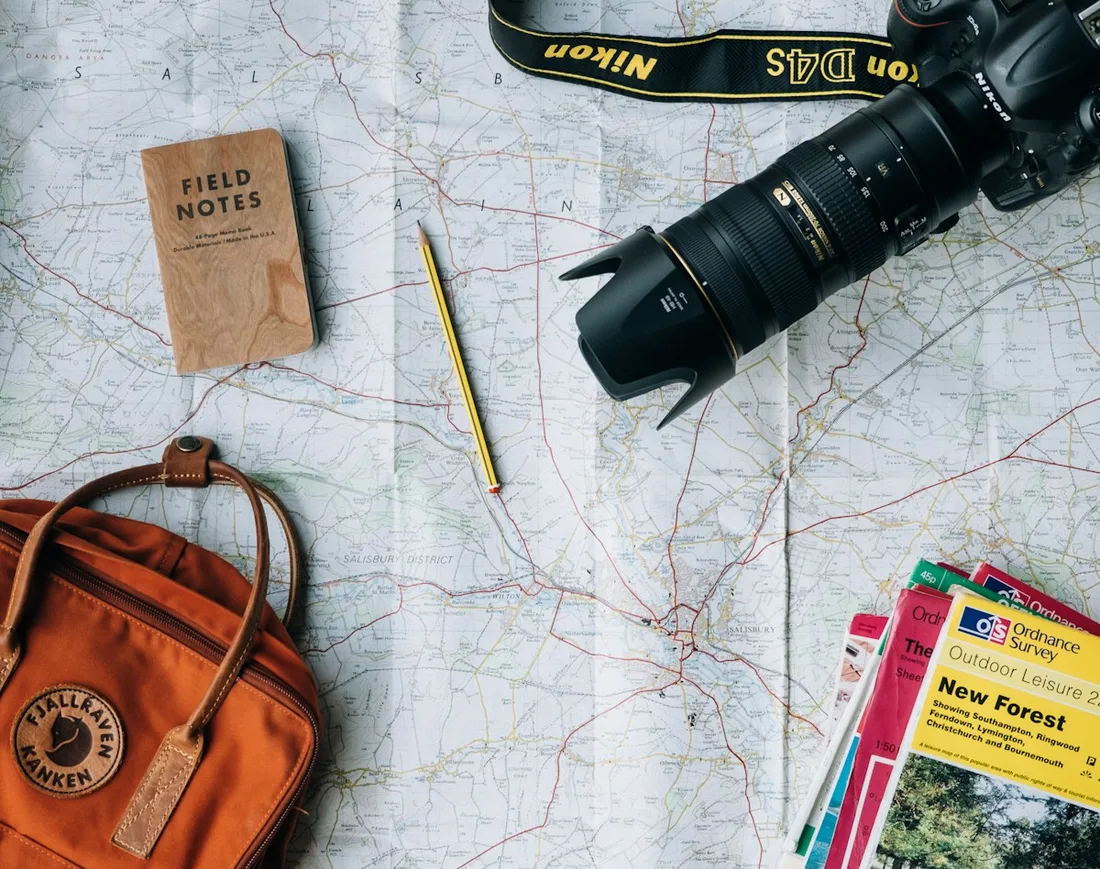
A personal-item bag is the one you keep reaching into during a journey. It holds tickets, a phone, a layer, and the small things that make waiting more comfortable. The challenge is keeping those items accessible without filling every pocket until the bag becomes heavy and shapeless. Organize it by what you need during travel, rather than copying the packing layout of someone with a different itinerary.
Begin with the carrier and the journey
Check the current personal-item allowance for your carrier and ticket before selecting a bag. Size rules and what counts as an included item can differ. Measure the exterior with the bag packed, since bulging pockets can change its footprint. A bag marketed for travel may still exceed a particular allowance, so treat the official policy as the relevant reference.
Then consider the route beyond the vehicle. A tote can be convenient for a short car trip but tiring during a long station transfer. A backpack keeps your hands free, while a crossbody may provide easier access to smaller essentials. Choose a carrying style you can comfortably manage alongside any other luggage. Empty weight and strap width deserve attention before the number of pockets.
Create three access zones
Use one secure area for documents and valuables, another for items used during the ride, and a less accessible area for things needed only on arrival. This does not require three purchased organizers. Existing pockets and one simple pouch may be enough. Keep the layout consistent so you do not search every compartment each time you need your phone.
Place a charger, cable, and headphones together if you use them, with cables loosely secured to reduce tangling. Put a lightweight layer where it can be removed without unpacking the whole bag. Keep any liquids away from electronics in an appropriate separate container. A pocket divider organizes items but does not necessarily protect them from leaks.
Choose pouches by function
A small flat pouch can hold loose items such as a pen or lip color. A deeper case may be useful for a charger, but bulky rigid organizers quickly consume the bag’s usable space. Check internal dimensions before buying: the outer measurements may include thick padding that leaves less room than expected. If your cables are short and few, a simple soft pouch could be sufficient.
Use contrasting pouch colors or a visible label when several look similar. The point is quick recognition, not an elaborate matching system. Avoid putting daily essentials inside multiple nested bags, especially if you need them one-handed. A secure accessible pocket for the phone may work better than a designated technology case buried beneath a scarf.
Keep weight close and the opening clear
In a backpack, position heavier items thoughtfully and follow the maker’s loading guidance. In a tote, avoid putting all the weight on one side where it pulls awkwardly against your shoulder. Do a short walk with the bag packed before leaving. This simple check can reveal an uncomfortable strap or a bottle that presses through the fabric against your hip.
Leave enough space at the opening to reach inside. A bag packed to the zipper may be technically closed but practically difficult to use. If you carry a water bottle, check whether the holder keeps it secure without blocking other pockets. Verify any relevant restrictions for the route and empty or pack containers as required by the applicable rules.
Edit the just-in-case collection
Travel bags often accumulate duplicate pens, old receipts, several snack packets, and accessories that never leave their compartments. Empty the bag before each trip and rebuild it from a short list. Keep essential personal items, but be realistic about optional entertainment and beauty products. A single small notebook may be more useful than a heavy collection of objects you feel obliged to bring.
Our train outfit guide covers layers and carrying comfort, while the carry-on beauty guide keeps cosmetic packing separate and manageable. Compare bags and pouches in the shopping edit using your actual list. The organized personal item is the one you can use smoothly during the journey, with enough room to put everything back afterward.