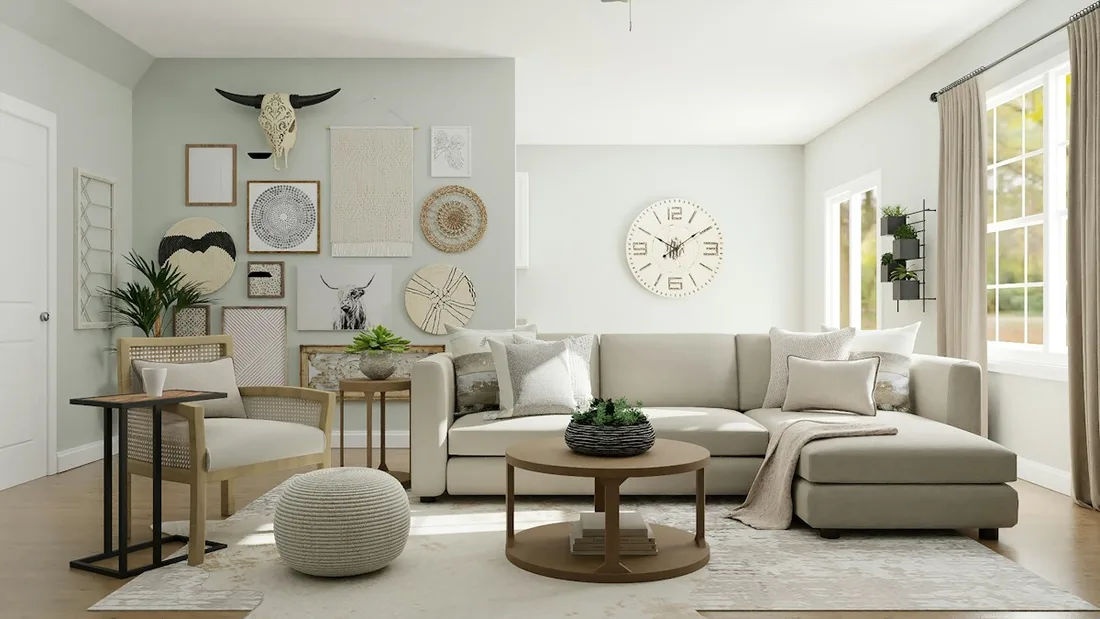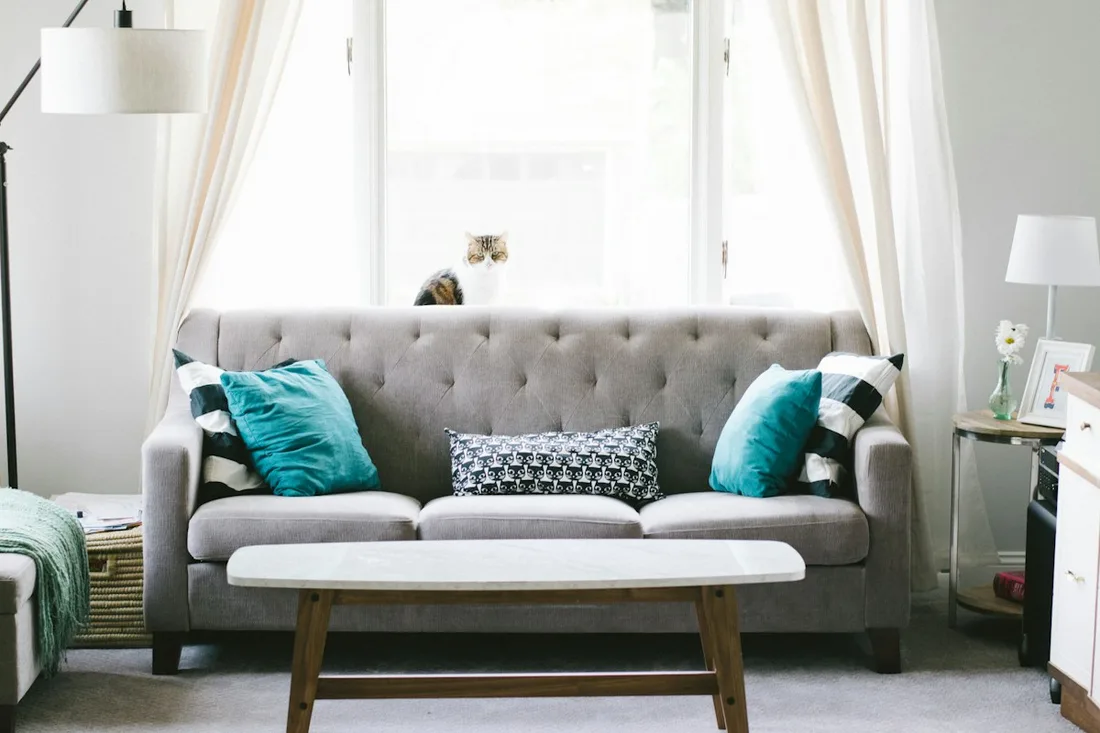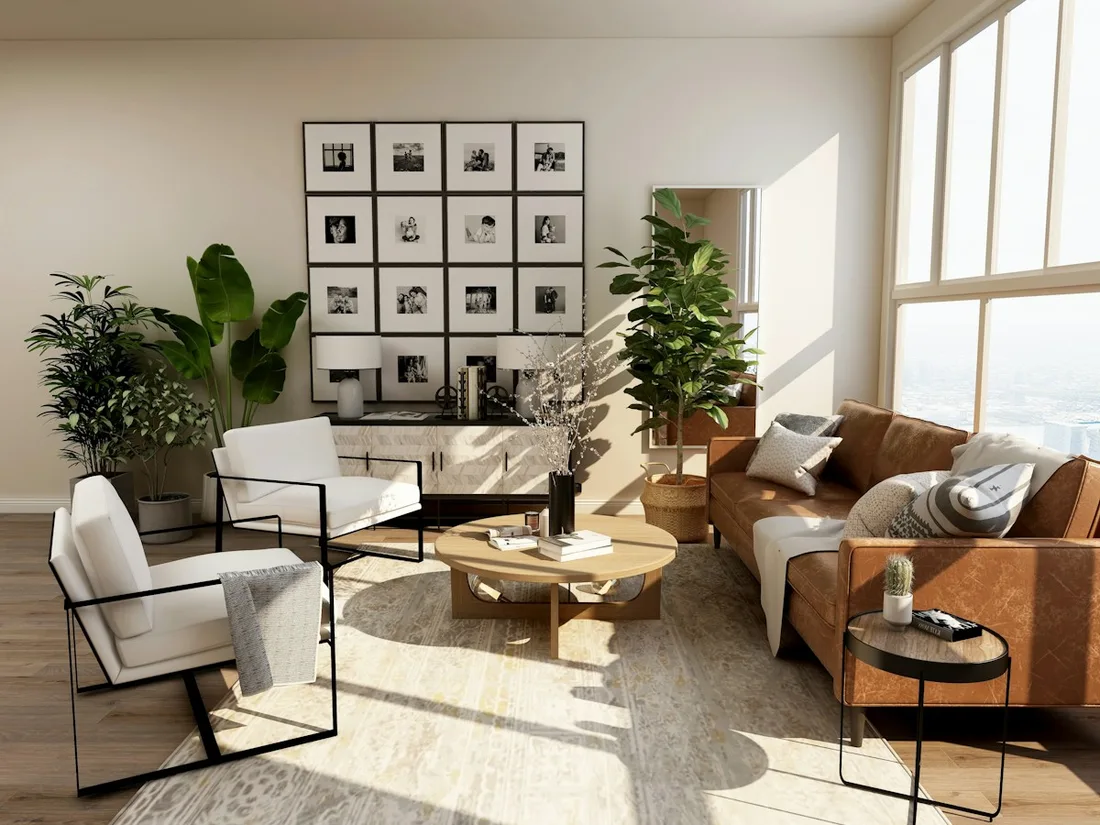
A reading corner does not need to be a separate room or a new collection of matching furniture. It can be one seat by a window, a lamp that reaches the page, and somewhere to put a cup. Its usefulness comes from making ten quiet minutes easy to take, even when the rest of the room is busy.
Choose the moment you want to support
Think about when the corner will be used. Morning reading near a window calls for a different lighting arrangement from an evening chapter after dinner. A chair that feels pleasant for browsing a magazine may not support a longer sitting session. Start with the activity rather than a photograph of a room you want to reproduce.
Try an existing chair in the intended spot. Sit with a book and notice your feet, shoulders, and elbows. If the seat is too deep, a cushion may help; if its basic height or shape is uncomfortable, decorative accessories are unlikely to solve the problem. Leave enough space to stand up and move around without shifting a table each time.
Check the full chair footprint
Product dimensions alone do not tell the whole story. A recliner needs clearance behind it, a swivel chair needs turning space, and a chair with broad arms may occupy more useful floor area than expected. Mark the footprint with removable tape suitable for the floor, then walk past it carrying laundry or a tray.
For a new chair, review seat height, usable width, cushion construction, and upholstery care. If trying it in person is possible, sit for more than a quick moment. For online purchases, understand delivery access and returns before ordering. A chair that cannot pass through the doorway is a problem no styling choice can fix.
Put light where the page is
Daylight is pleasant, but it changes through the day. A reading lamp should illuminate the book without shining directly into your eyes. An adjustable head or arm can help position the beam for different seats. Check whether the lamp accepts replaceable bulbs or uses an integrated light source, and consider the manufacturer’s stated replacement or repair options.
| Space constraint | Useful choice | Detail to measure |
|---|---|---|
| Little floor room | Compact side table | Base as well as top width |
| No nearby surface | Floor lamp | Base clearance and cable route |
| Shared daytime room | Movable reading light | Weight and stability |
| Deep existing chair | Support cushion | Thickness once compressed |
Keep cords away from walking routes and use lighting according to its installation instructions. A lamp placed behind the shoulder may work well, but its best position depends on the chair, shade, and angle of the page.
Give the surface one job
A side table only needs room for the objects used during reading. A cup, book, and perhaps glasses can fit on a modest surface. Check stability before choosing a narrow pedestal design, especially in a busy household. A nesting table can be versatile, but make sure the smaller piece is comfortable to reach.
Avoid adding storage for every book you own. One basket or small shelf for current reading keeps the corner from becoming another sorting area. Put finished books back in their main home and leave space for the next one. The easiest corner to use is also easy to reset.
Spend on comfort before atmosphere
Use the shopping guide to compare useful dimensions and care requirements. If the existing chair is comfortable, a better lamp may have more impact than a new seat. If lighting already works, a simple side table might be the only missing piece. Plants and artwork can follow the practical decisions.
For ideas on supporting the seat without overcrowding it, read the sofa cushion guide. If this corner must make room for visitors, the small gathering guide explains how to keep movement clear. At the end of an ordinary evening, put the book down, turn off the lamp, and notice whether the corner feels ready for tomorrow. That is the measure of a useful arrangement.