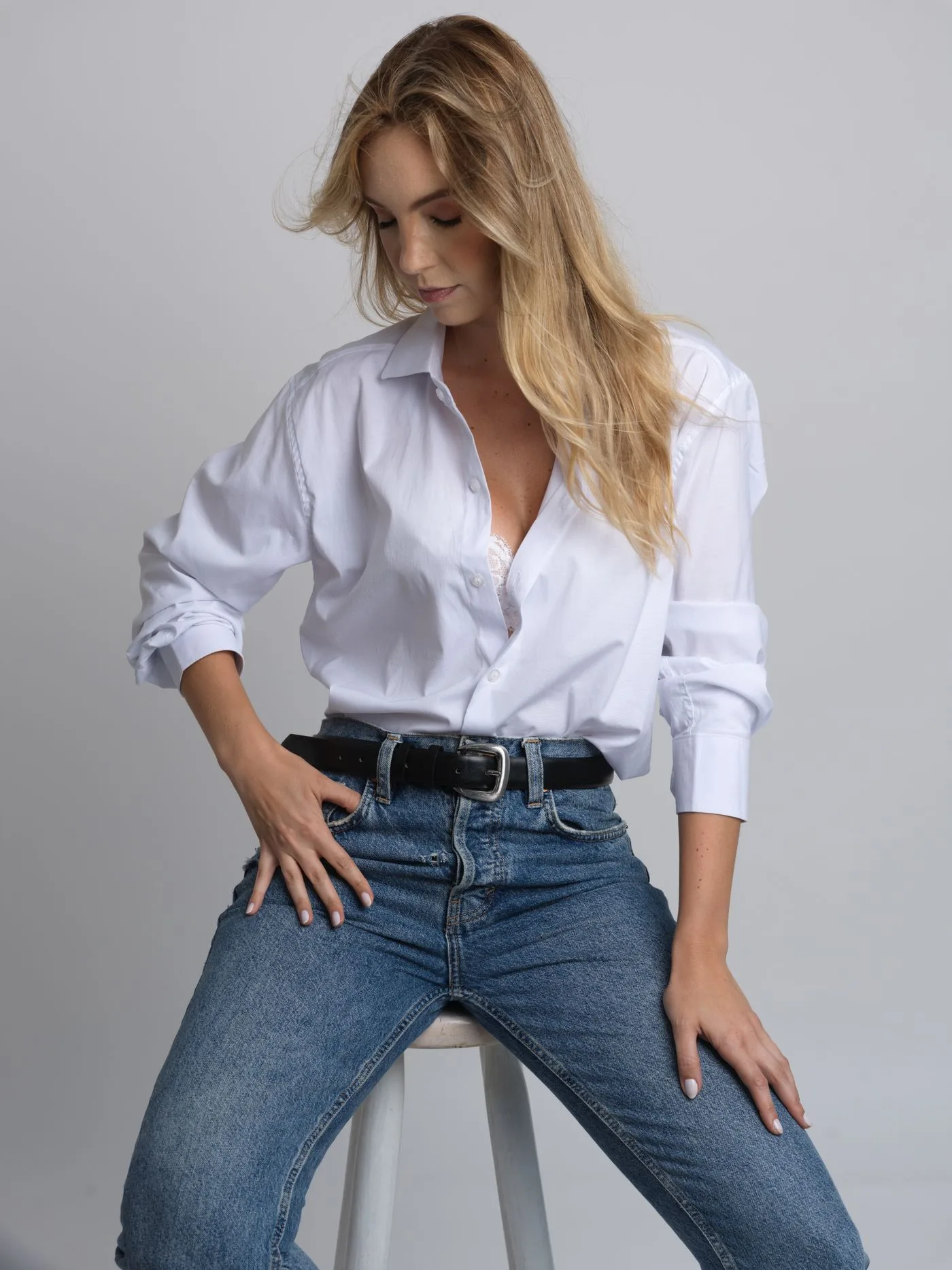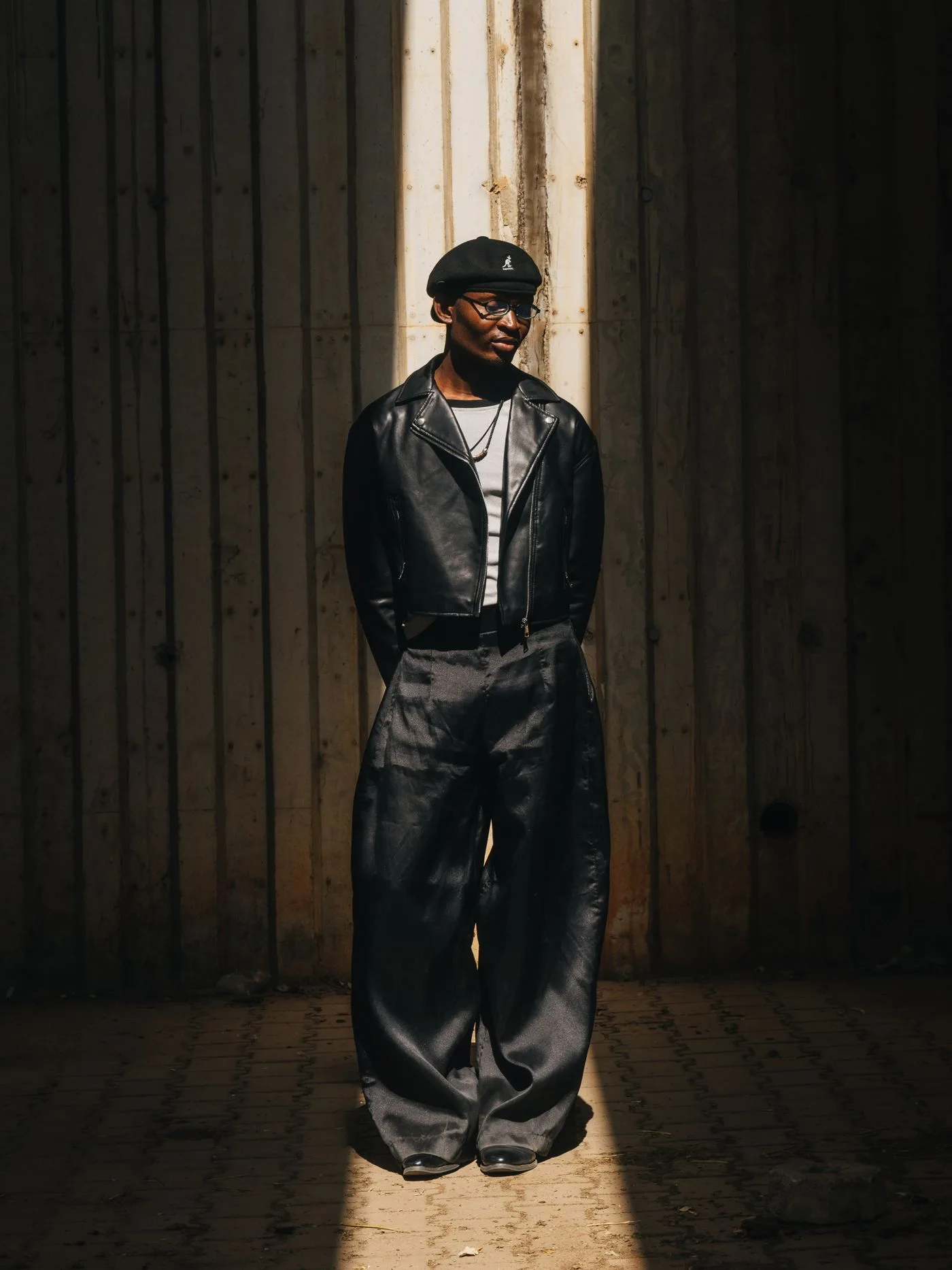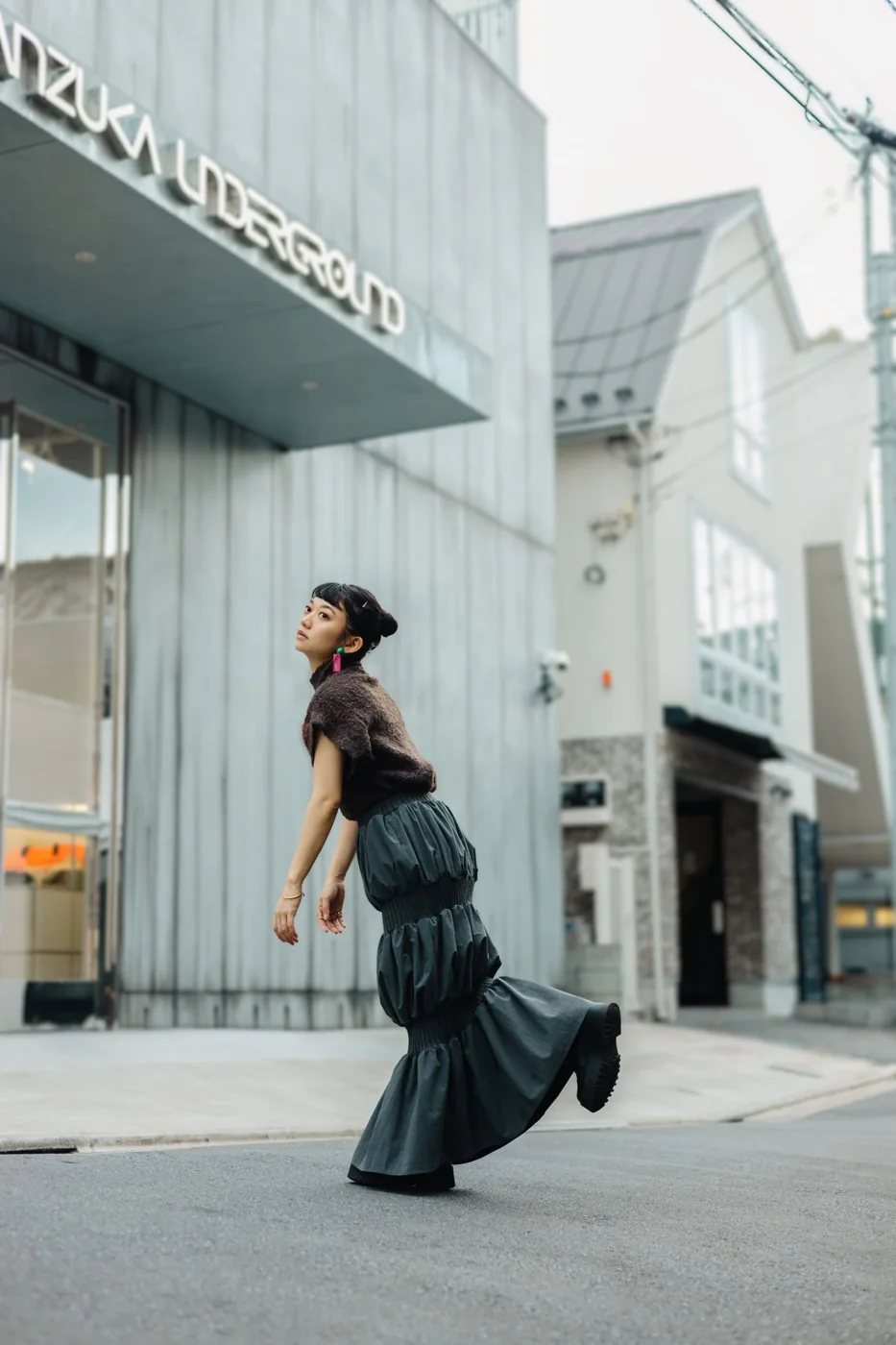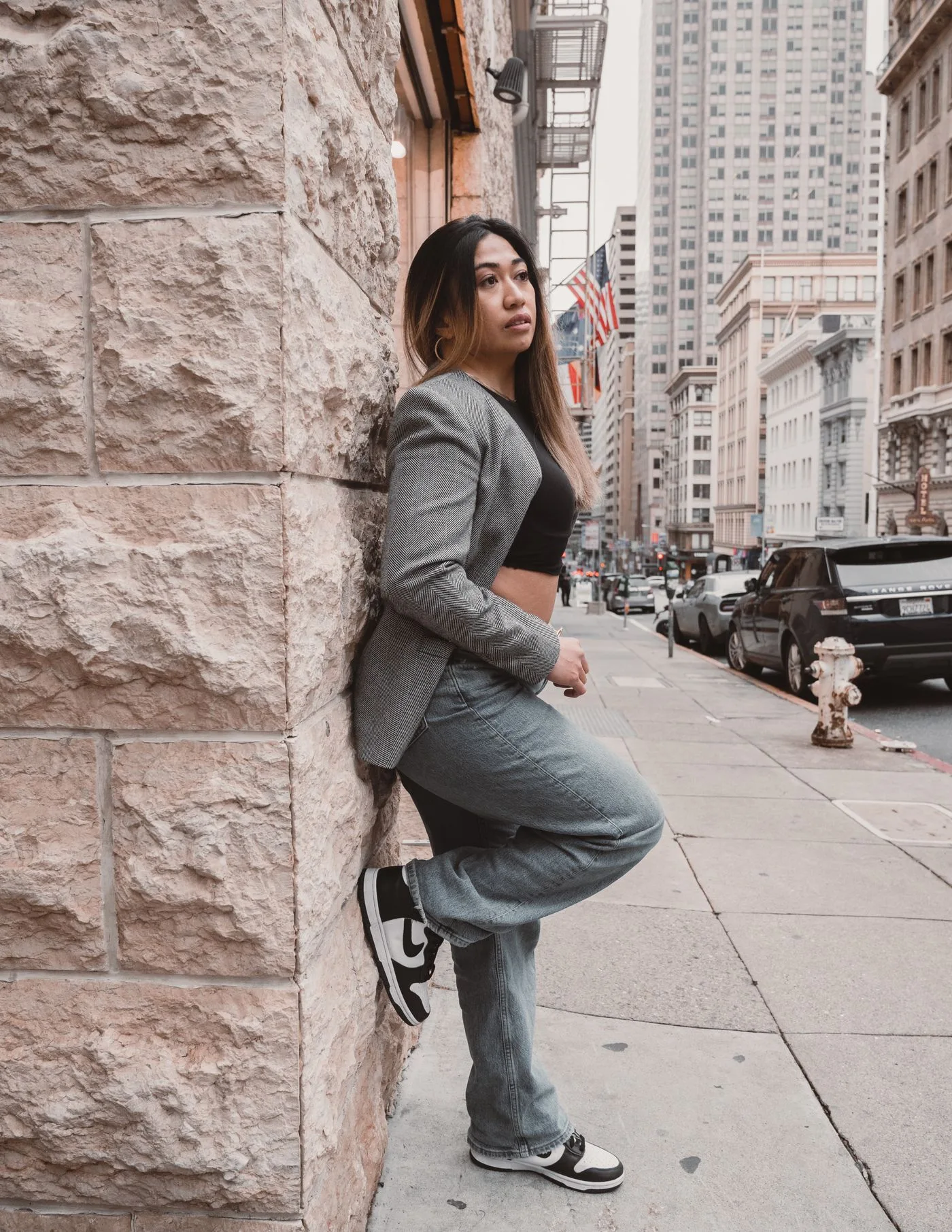
A posed outfit photograph can be enjoyable while leaving the garment difficult to compare later. Make a plain standing reference first if your purpose includes remembering the clothes. Keep the view ordinary and the use private unless you deliberately choose otherwise. The image can show a combination without becoming a measurement, a fit diagnosis or a demand to change your body to match a pose.
Give the reference one clear purpose
Decide whether you want to remember the overall outline, a layer combination or the relationship between trousers and shoes. A single photograph need not explain every detail. Naming the purpose helps you choose a view rather than collecting many images whose differences you cannot later interpret.
Use the actual pieces you want to record, including relevant underlayers and footwear. A reference made with a substitute may still be useful, but label the difference rather than treating it as the finished outfit you intended.
Choose an ordinary suitable position
Stand comfortably in a place you are entitled to use, with the clothes arranged as you normally wear them. Leave routes and other people's space clear. Follow fitting-room or venue conditions, and ask appropriately before another person helps make the image.
Choose a background that lets the main edges remain visible and keep unrelated private details out of view. You do not need a dramatic wall or an empty public street. The reference serves the clothes, while the place remains a place other people may need to use.
Keep the record distinct from a fit check
An image can remind you of appearance but cannot establish comfort through sitting, reaching or carrying a bag. Make those appropriate practical checks separately. The petite blazer fit guide keeps ordinary movement part of the garment decision rather than something inferred from the most flattering frame.
Do not edit body shape or the garment's apparent fit and then treat the result as a factual reference. Keep an untouched original if you make a separate creative image. Camera position and light can affect appearance, so avoid reading small differences between unrelated photographs as precise measurements.
Add another view only when it answers a question
A back view may reveal a detail the first frame omits. The jacket back-view guide helps identify why that additional view might matter. The reason should be specific enough that you know when the reference is complete.
Afterwards, make the posed picture if that is something you enjoy and the setting supports it. It can have a different purpose: an image about a mood, place or moment rather than a clear record of garment relationships.
Keep a brief note with the reference naming the pieces and any unresolved practical question. Then put the camera away. A useful plain image makes the outfit easier to remember without claiming that a photograph can settle everything about wearing it. The posed version can remain enjoyable precisely because it no longer has to perform that separate factual job.