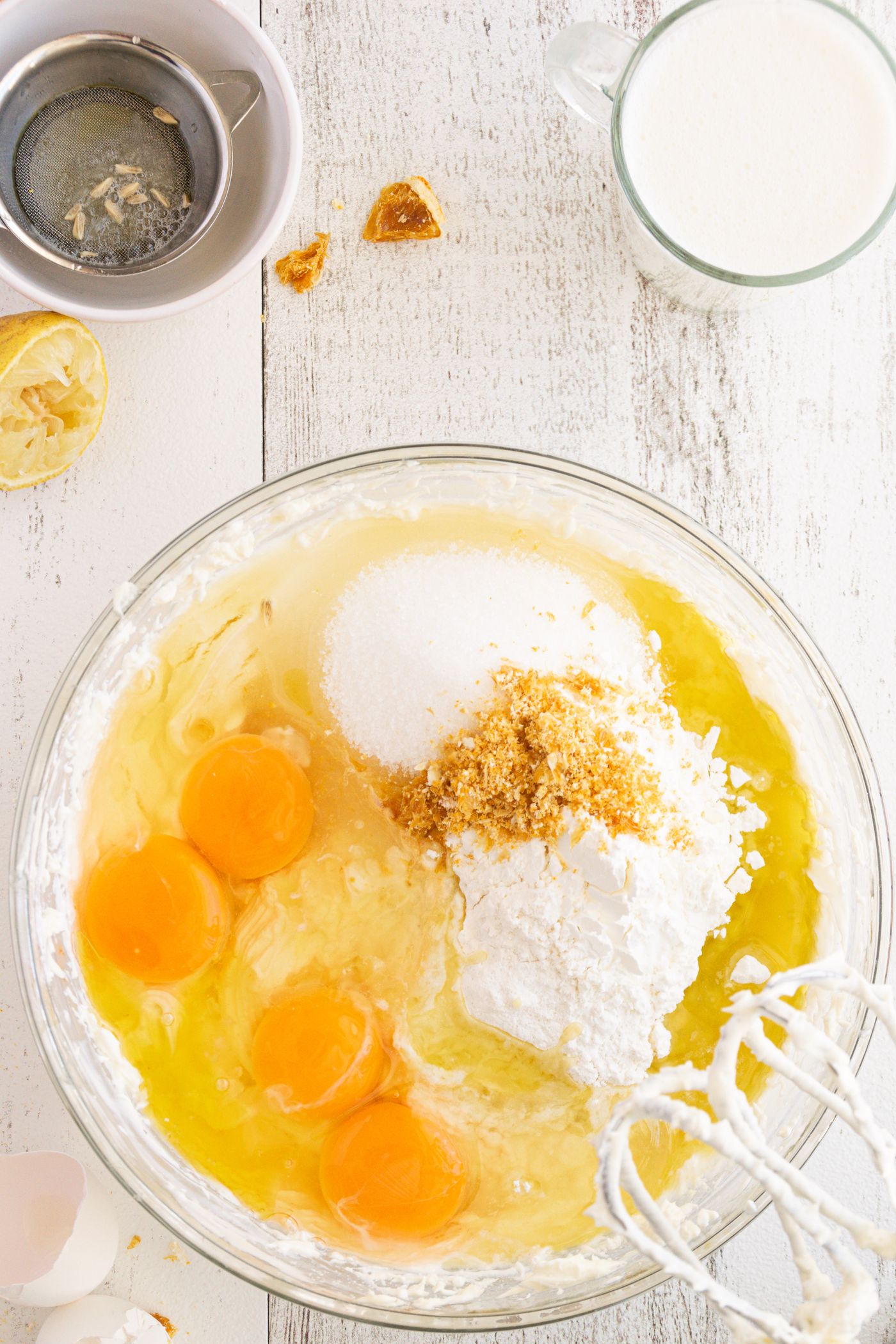
Reading a baking recipe completely before beginning makes the work easier to plan. The ingredient list alone does not reveal every piece of equipment, waiting period or finishing step. Review the whole method while the ingredients are still in their original packages so that unresolved questions can be addressed before preparation starts.
Establish the recipe's identity
Use a complete reliable version and keep its source available. Check that the quantities, units and method belong together rather than combining fragments from several screenshots. If a page is missing or a measurement is unclear, resolve that question instead of filling the gap with an approximate guess.
The notebook guide offers useful questions about recording information you will actually consult. A personal baking note should distinguish the original instructions from any observations you add after making the recipe.
Read through the equipment needs
Identify the specified vessels, tools and appliance requirements. Check the actual equipment's instructions and suitability rather than assuming a similar-looking pan will produce an equivalent result. If a substitution is necessary, seek reliable recipe or maker guidance before treating the change as settled.
Clear a suitable working area and keep ordinary routes available. Do not arrange ingredients across a surface needed for another task simply because it creates an attractive preparation photograph. A useful layout should support the order in which the recipe will actually be made.
Review the ingredients together
Read relevant product information and consider any food requirements of the people who will eat the result. Keep packaging accessible for identification. Do not promise a dish meets a particular need when the ingredients or preparation conditions have not been understood.
Follow appropriate food-safety guidance alongside the recipe. An appealing finished photograph does not establish safe handling, storage or cooking requirements for the actual food involved. Use authoritative information for those questions rather than relying on an informal comment that a method has always worked.
Map the complete sequence
Notice steps that need to happen before mixing and stages that affect when the result can be served. Avoid inventing a faster sequence simply because the ingredients are already measured. A recipe chosen for a gathering should fit the real plan rather than require everyone to wait on an overlooked finishing stage.
The easy weekend hosting guide helps place the baking within a wider occasion. Allow attention for serving, equipment care and remaining food as well as for making the dish. After the recipe is complete, record specific questions or useful observations while keeping the source instructions intact. A full reading does not guarantee a particular result, but it gives the preparation a clearer starting point and makes uncertainty easier to address before the work is underway.
Check whether the recipe’s final stage needs equipment that will still be available. A serving vessel or storage container may have a separate role from the mixing tools, so include it in the preparation review.
Reference: FDA: Safe Food Handling.