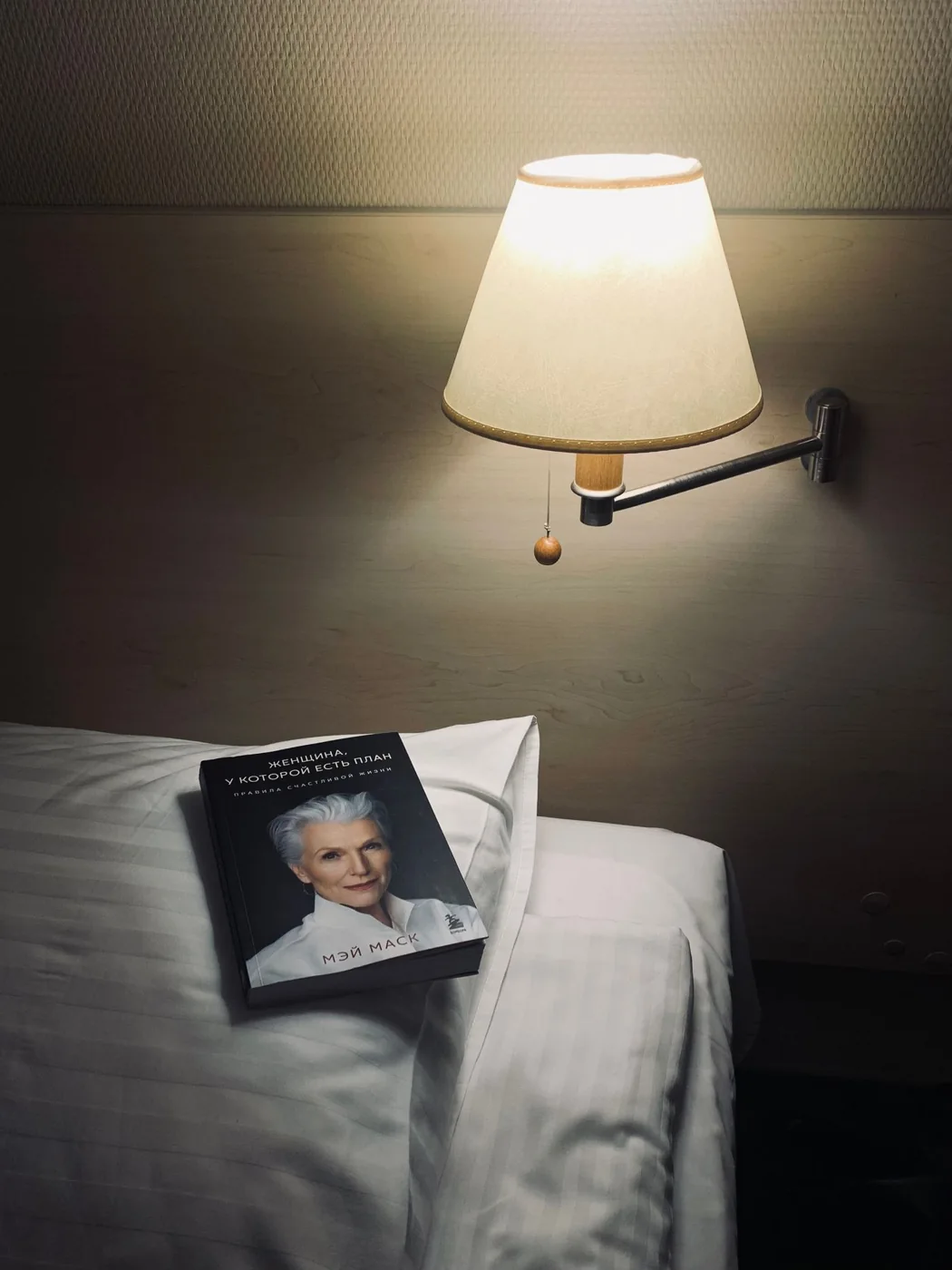
Bedside belongings can remain in a hotel room after the main suitcase looks complete. A book, personal accessory or another item used during the evening may have a different return route from clothes in the wardrobe. Give that small area its own checkout review, following the actual room arrangement rather than assuming a packed case means every personal object has been collected.
Recall what you actually used there
Think through the evening and morning routine. Identify the objects you placed near the bed, including anything moved temporarily while reading or getting ready. Keep the review about your own belongings and do not inspect another person's private material as part of helping them pack.
Distinguish personal items from supplied room objects. A familiar-looking accessory or book should not be taken merely because it sits beside your bag. If ownership is uncertain, ask the accommodation through an appropriate channel instead of deciding from its position.
Use the real surfaces and controls
Look at the places you actually used, such as the accessible top, an agreed storage area or a suitable nearby surface. Follow the room's instructions and do not dismantle furniture, move fittings or enter a restricted compartment to pursue an informal checklist.
The nightstand guide supports the idea of giving small objects clear roles. A temporary hotel surface has a different ownership arrangement, but the same practical distinction helps you remember what you personally put there.
Return each object to an understood place
Use an appropriate location in your belongings for the next part of the journey. Do not collect everything into an unidentified handful that becomes another temporary pile beside the door. A personal item needed soon may require a different appropriate arrangement from one you will not use until home.
If a device or other item has product-specific handling requirements, follow those instructions and the accommodation's relevant guidance. Do not improvise with connections or fittings to make the final room photograph look tidy. The review is about collecting belongings through their proper routine.
Keep the companion check separate
Tell a travel companion which area you have reviewed, while leaving them responsible for their own private belongings unless you agree otherwise. A broad statement that the room is done can conceal different assumptions about who checked the bedside area and who checked the wardrobe.
The hotel arrival case guide addresses the first transition into the room. Checkout is a separate task with its own current arrangement, so use the actual provider information for departure and any handover requirements.
Finish before leaving the room
Complete the review while you can still act on a forgotten personal item, allowing appropriate time for the rest of checkout. Keep private papers or access information out of any room image you intend to share. A tidy surface is not the same as a completed ownership check.
If you discover something missing later, contact the accommodation promptly and discuss the actual next step without assuming recovery or a particular service is guaranteed. A modest bedside review can reduce one ordinary source of uncertainty by giving the small evening objects their own understood route back into your travel belongings.