A lip brush needs care information that belongs to its actual materials and construction. A general cleaning trick is not a substitute for the maker's guidance. Keep the brush's identity and instructions accessible so that a small tool does not become an unidentified item whose readiness is guessed from appearance.
Identify the brush and its purpose
Check the product name and intended use, including any relevant information about compatible cosmetics. Do not assume a similar-looking brush can be used in every area or with every product. If the identity is unclear, ask the supplier before making it part of the routine.
The small brush wardrobe guide helps keep the collection understandable. A lip brush should have a useful role the owner actually wants rather than remain in the kit merely because it arrived as part of a larger set.
Find the actual care method
Consult the manufacturer's cleaning and drying instructions. Pay attention to the complete product, including the handle, bristles and any retractable mechanism or cap. A method suitable for one component may not be appropriate for another, so avoid treating the brush as a uniform object without checking.
Keep specified products and processes distinguishable from personal shortcuts. Do not soak, heat or alter a tool simply because an online demonstration made the method look easy. If guidance is missing or unclear, seek an answer from the maker rather than assigning a convenient routine.
Separate used from prepared tools
Choose an appropriate place for the brush while any required care step is unfinished. It should remain distinguishable from tools prepared according to their instructions. A cap or case can be part of the product's design, but closing it is not automatically evidence that the tool is ready for another use.
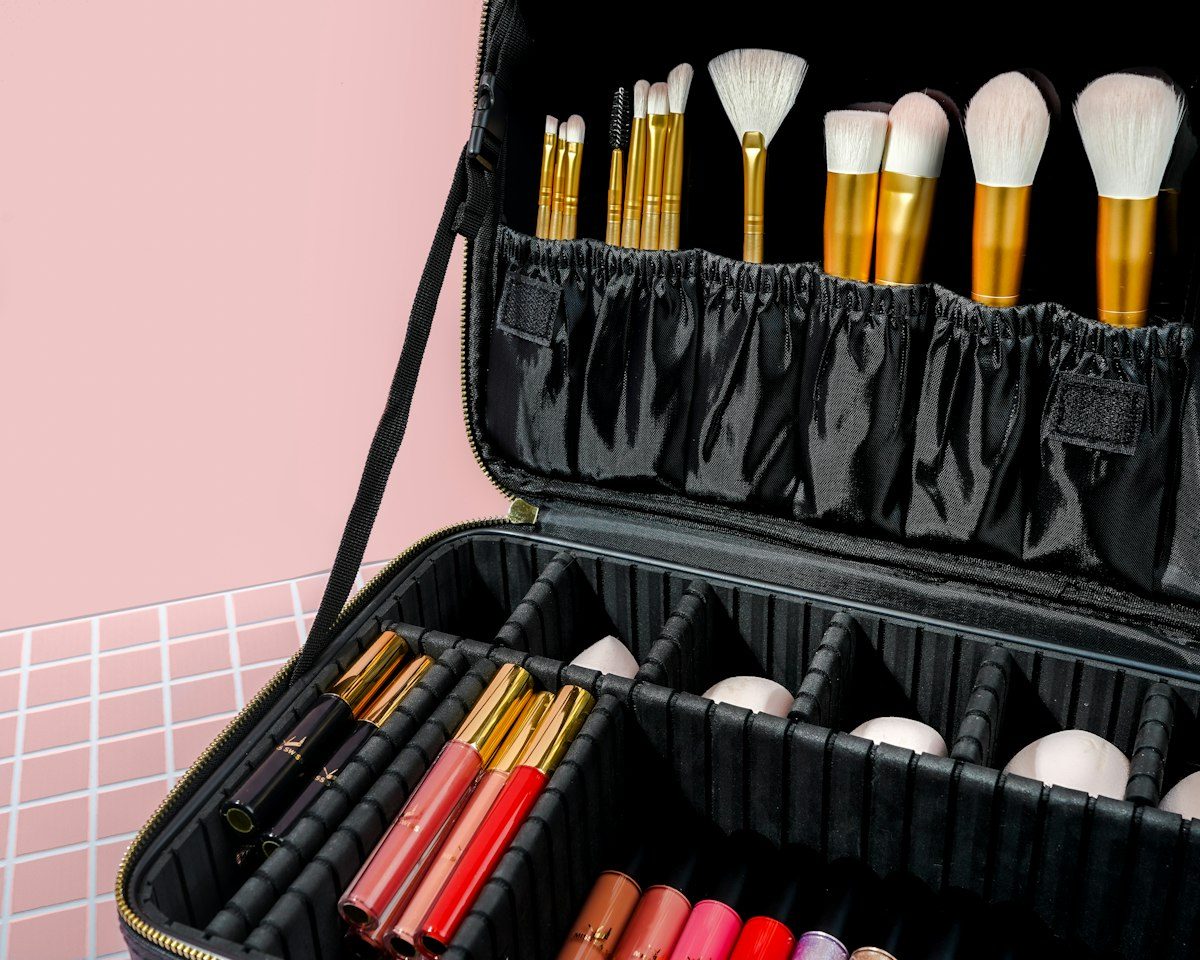
The weekend makeup pouch guide offers related questions when the brush travels. Follow the tool and case requirements during packing and return, rather than letting a compact bag blur the difference between completed care and an item still awaiting attention.
Review condition before returning it
Notice a damaged fitting, an unfamiliar change or a mechanism that no longer operates as intended. Pause and seek appropriate product information rather than forcing the part or concealing the issue inside its case. A careful description and exact reference can help a seller understand what needs resolving.
Check that the storage place remains appropriate after the care routine is complete. A brush needs a useful return arrangement as well as a clear method, and both should follow the product's actual guidance.
Retain useful instructions in a simple record you can find again. If the care process does not fit your routine, consider another appropriate tool rather than continuing with an arrangement you do not understand. The useful result is a lip brush whose intended use, care and current condition are clear. That is a more practical basis for a small makeup kit than a row of tools that look coordinated but leave the same questions unanswered.