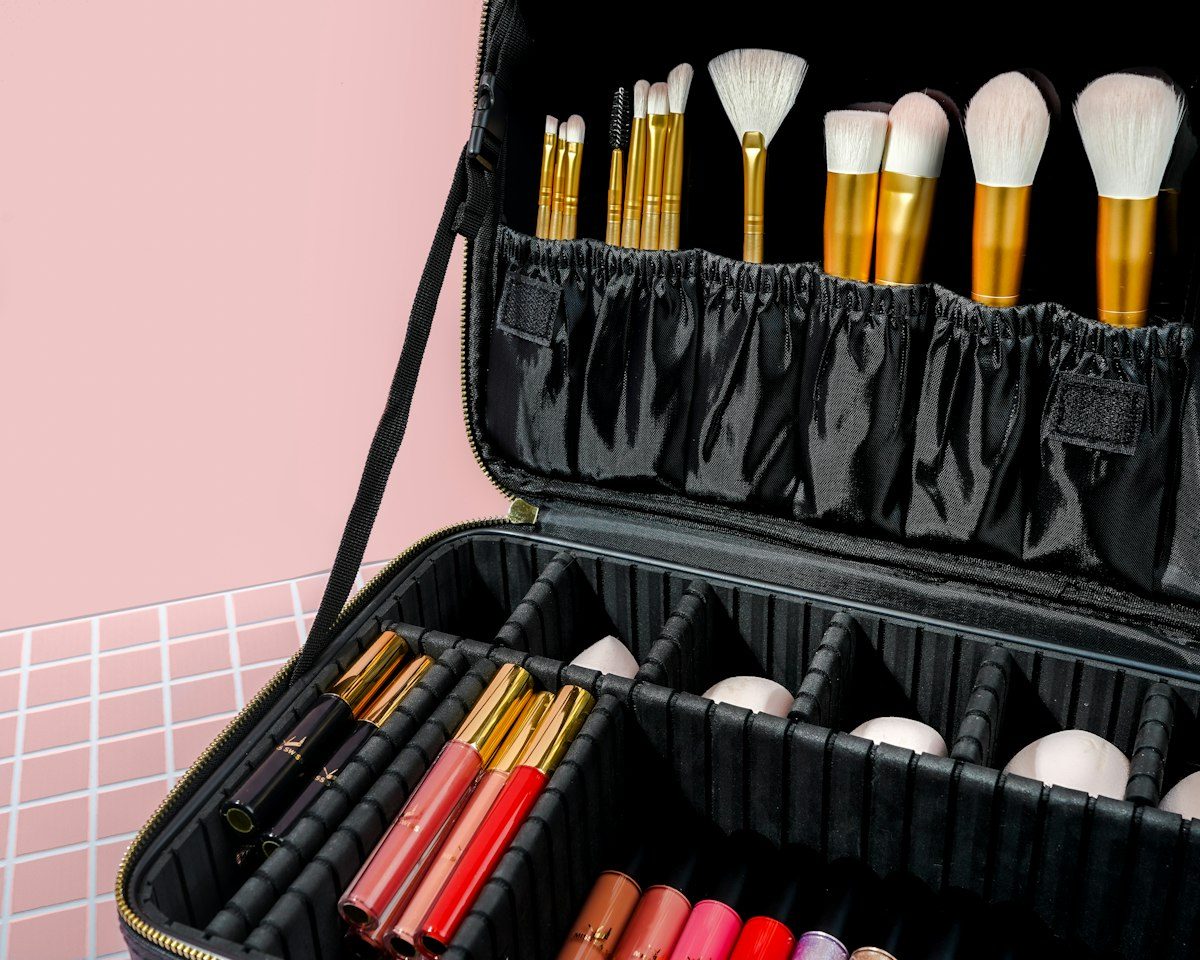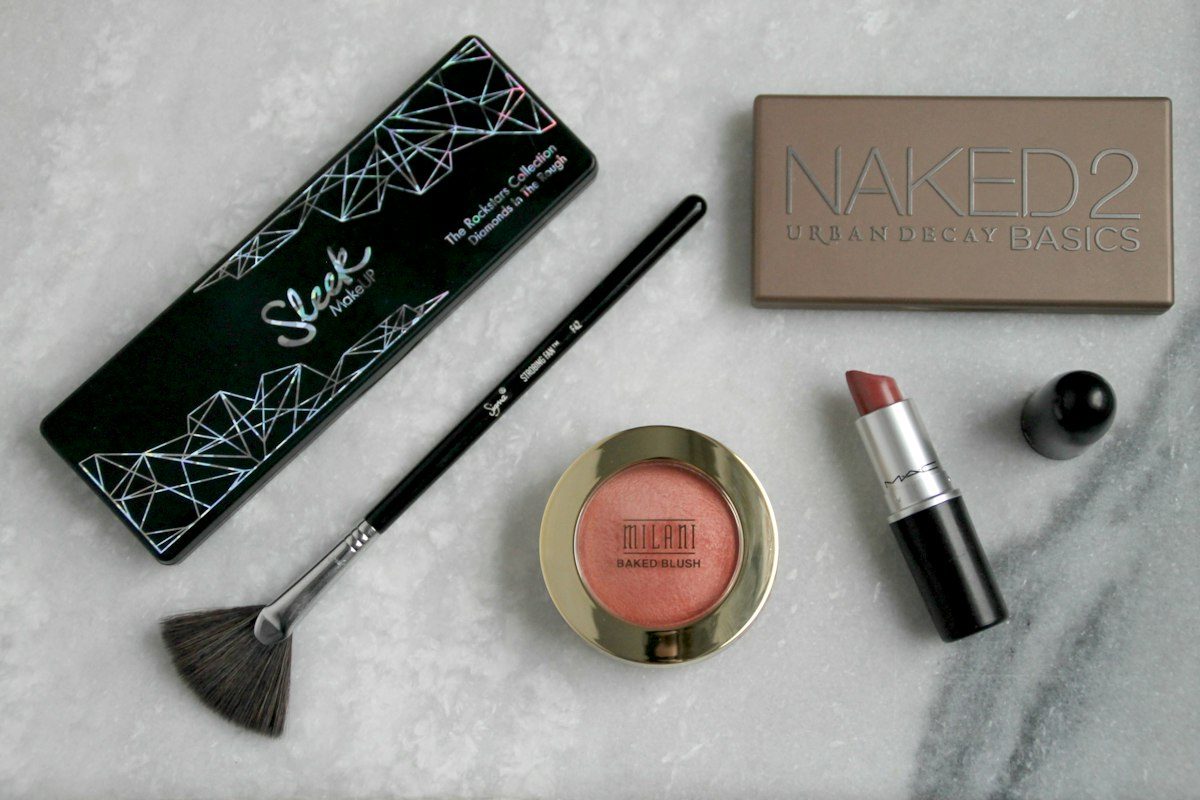
A beauty tool that looks neatly arranged is not necessarily ready for another use. A small collection works better when items needing care remain distinguishable from those that are prepared according to their instructions. Make that difference clear before choosing another organiser for the dressing surface.
Review tools individually
Identify each tool and find the maker's use and care information where available. Brushes, sponges and other applicators can have different requirements, so do not assign one cleaning method to the whole collection from appearance alone. Ask the manufacturer about an unfamiliar item instead of improvising treatment.
The small brush wardrobe guide helps decide which tools actually serve your routine. A clear collection begins with appropriate items you want to use, rather than keeping every applicator because it fits into an attractive holder.
Define the stages simply
Choose understandable places or labels for tools that are ready and those awaiting the next care step. Follow the actual instructions, including any requirements before storage. Do not treat a tool as ready solely because it has been removed from a used-items container or appears dry at a glance.
Keep the arrangement suitable for the room and the items themselves. A temporary care area should not block a sink's ordinary use or place tools where they are likely to be confused with unrelated household objects. The goal is clarity through a complete routine, not more containers on the counter.
Leave product information available
Preserve useful instructions and identify any replacement parts or compatible products accurately. Do not remove a label that helps distinguish two similar tools simply to make the collection look coordinated. A short personal note can supplement the maker's guidance but should not present a guessed method as fact.
The small bathroom storage guide offers related questions about usable space. Keep the ready group accessible without mixing it with items whose condition or next step is still unresolved.
Make travel and return understandable
When packing a tool, follow its requirements and those of any suitable case. Do not assume a tool becomes ready again when it returns from a pouch. Review it according to its actual use and care process before putting it back in the ordinary ready place.
If a tool appears damaged or raises a concern, pause its use and seek appropriate information rather than hiding it among spares. The same applies when you cannot identify the care method. A small collection should make these questions easier to notice. Review the arrangement after normal use and simplify any stage that causes confusion. The useful result is a routine in which readiness has a clear meaning, supported by the tool's own instructions rather than its neat position on a shelf.
Keep small detachable parts associated with the correct tool where appropriate. A loose cap or fitting can otherwise become another uncertainty inside an organiser, even when the main item’s next care step is clear.