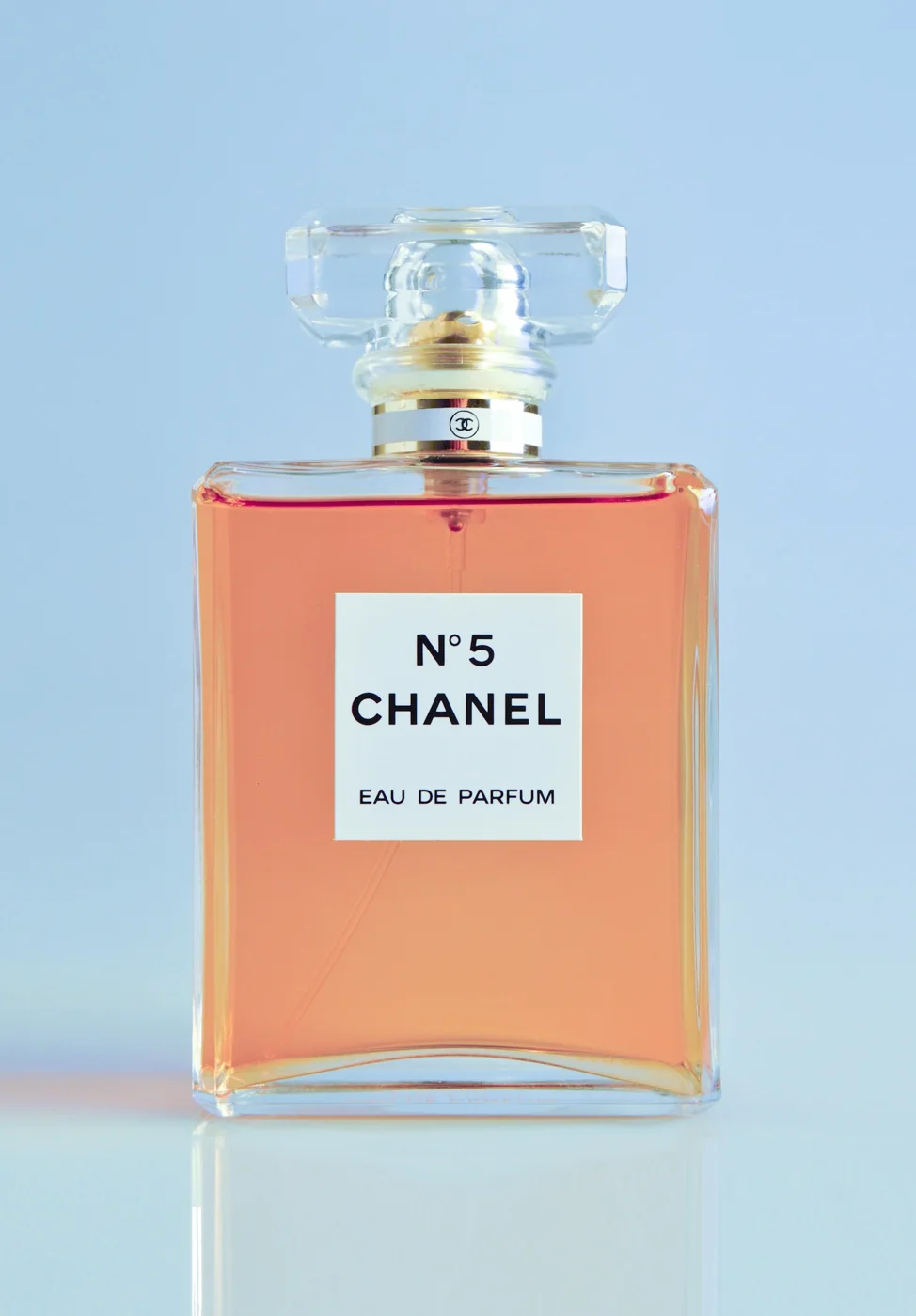
A fragrance sample is useful only when you can identify what it is and understand how it is intended to be used. Small packaging can make that information easy to overlook. Keep the sample's details together before deciding whether the fragrance belongs in a future purchase plan.
Preserve the exact identity
Keep the supplied product name, version and any relevant seller or manufacturer information. Similar fragrance names can refer to different products, so avoid relying on a vague memory of a bottle's colour. If a sample arrives without clear identification, ask its supplier rather than assigning a likely name from appearance.
The budget wishlist guide offers a useful place for a considered purchase note. Record the actual product and the question still open, instead of letting an unidentified sample turn into an impulse order for something that only looks familiar.
Read the use information
Follow the product's directions and warnings, including any relevant handling or storage requirements. Do not assume every sample is designed to open or dispense in the same way. An unfamiliar vial or closure deserves a careful check before use rather than an improvised method that could damage the package.
Keep your own requirements central and seek appropriate advice about any individual concern. A pleasant scent or a claim on decorative packaging does not establish suitability for every person. This is a way to organise a considered choice, not a recommendation to use an uncertain product.
Separate observation from promise
If you choose to assess the sample as directed, write down your own impressions clearly as personal observations. Do not turn them into claims about how the fragrance will behave on everyone or in every setting. The context in which you tried it may also matter to your preference.
Avoid making another person's reaction the sole basis of the purchase. A gift or shared household setting can involve preferences beyond the scent itself. Discuss those circumstances where appropriate rather than assuming an attractive product makes a universally welcome present.
Keep the decision open
Read the actual seller's terms before purchasing a full-sized item, particularly where opening or trying a product affects returns. Preserve useful documentation and check that the ordered product matches the sample's identification. Do not substitute a different version without recognising that the comparison has changed.
The thoughtful everyday gift guide helps if the sample has prompted a gift idea. Confirm that the recipient wants the specific product rather than choosing through your own preference alone. A useful sample record can also support a decision not to buy. The aim is a clear, informed choice with the product's identity and requirements understood, not a requirement to turn every sample into a larger bottle.
Keep samples distinguishable during the review so their notes do not become mixed together. One clearly identified product at a time can support a more useful comparison than a group of similar unlabelled vials.