A lamp shade can look balanced beside the lamp and feel different from the chair or bed where you actually use the room. Compare those occupied views before choosing its appearance. The visual decision should remain separate from compatibility, installation and other requirements that belong to the lamp's and shade's actual product information.
Establish the permitted product arrangement
Use the actual maker information for the lamp, shade and relevant components. Do not infer compatibility from a similar fitting or a successful-looking photograph. If the intended combination is unclear, ask an appropriate source or seek suitable professional help before changing the arrangement.
Keep installation and electrical work outside an informal decorative trial. Follow the relevant instructions and appropriate guidance rather than improvising a connection to see how the shade looks. Appearance can be assessed as a preference without treating that assessment as proof of suitable operation.
Name the positions that matter
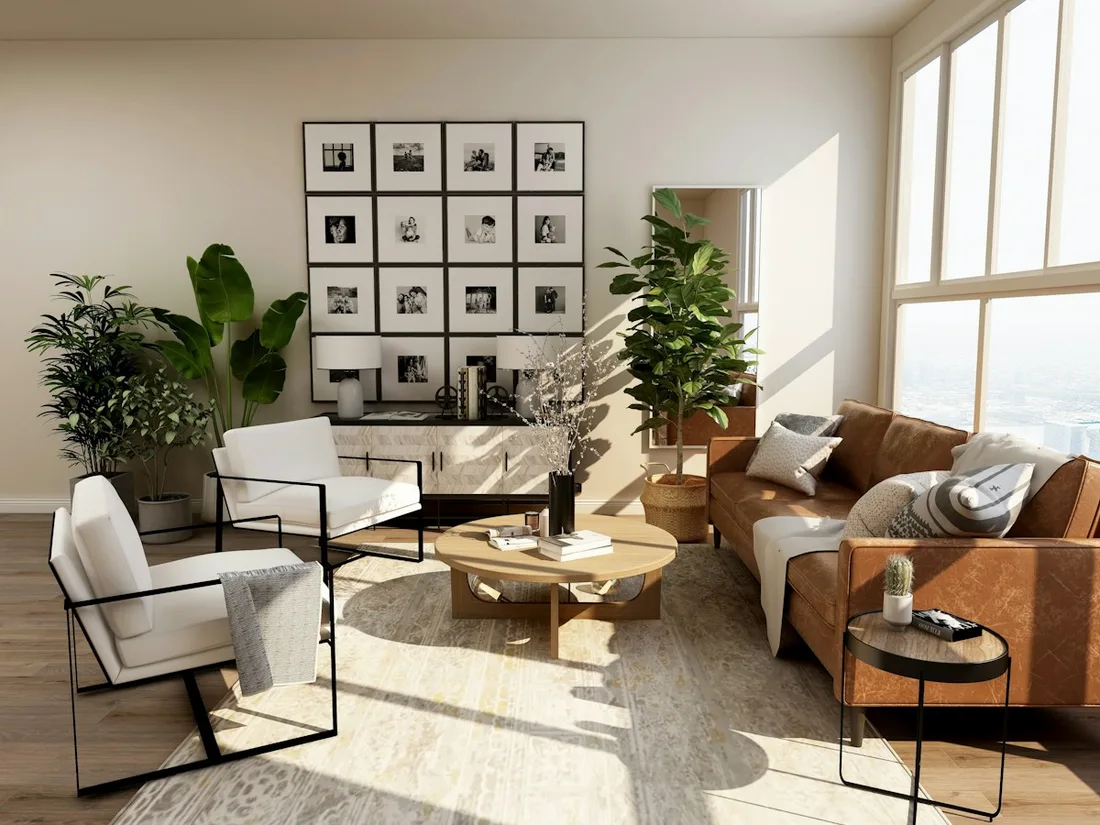
Identify the actual seat, bed or other ordinary place from which you see the lamp. A standing room photograph often shows a different angle from the one you occupy for reading or conversation. Compare the positions you use instead of choosing solely through the empty-room outline.
The reading corner guide helps connect the lamp to a real activity. The shade is part of that arrangement, while the actual lighting and product requirements need their own appropriate consideration.
Compare scale through actual dimensions
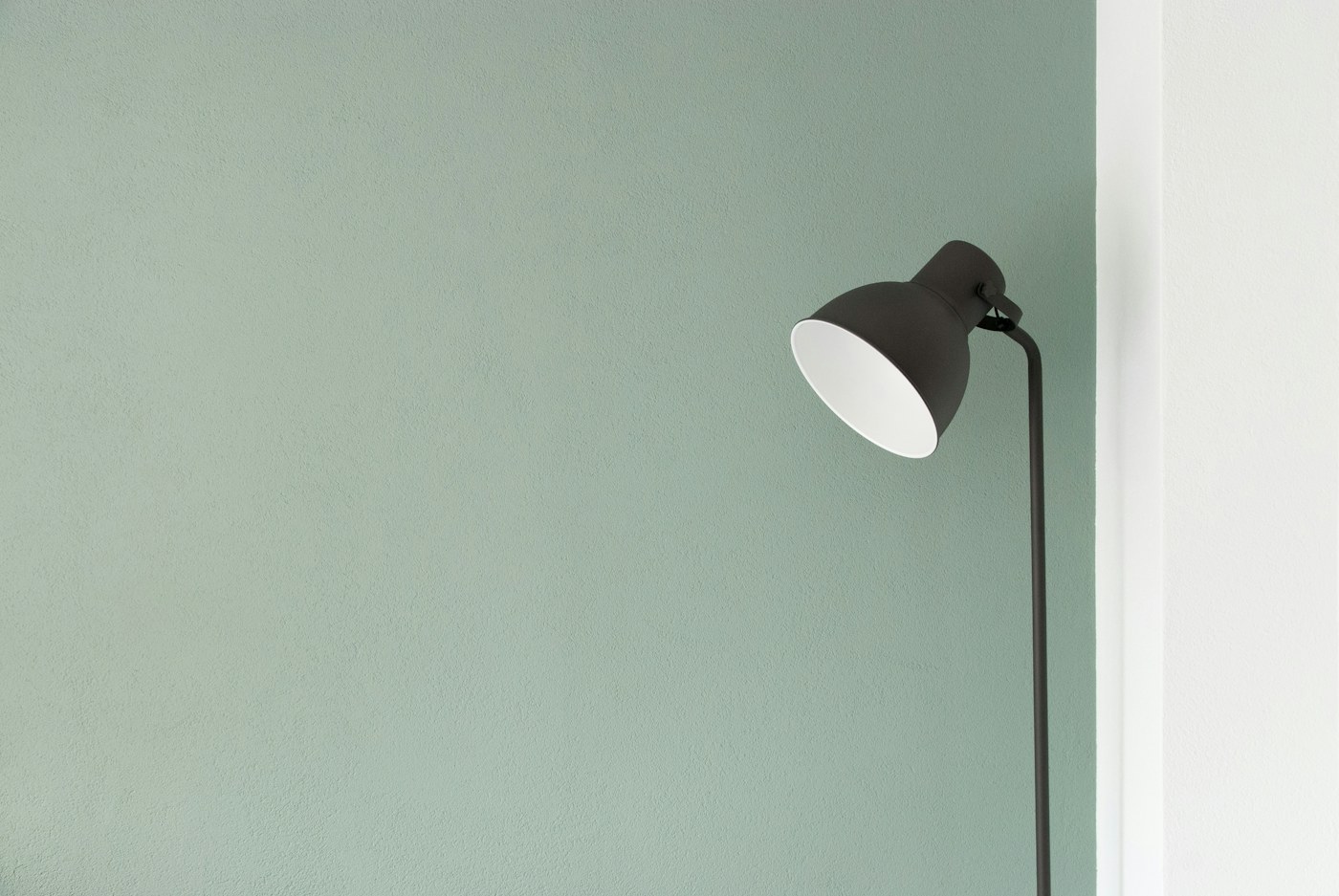
Read the shade's complete measurements and distinguish the relevant top, base and height. A product image may make a small shade appear substantial when it is displayed alone. Use a measured comparison for scale while recognizing that it cannot reproduce the real material or the complete installed product.
Look at the relationship with the actual surrounding furniture and objects. A shade you enjoy in isolation may compete with a nearby shelf or make the corner feel different from the seat. Keep that observation personal rather than turning one proportion into a universal rule.
Keep view and controls connected
Check that the approved arrangement leaves the relevant controls appropriately accessible. Do not accept an awkward reach merely because the room photograph looks balanced. The lamp should remain an object you can use through its intended operation, not a decorative shape you must avoid touching.
The bedside switch guide handles that separate access question. A pleasing shade does not settle how someone will operate the lamp from their actual position.
Include care before choosing
Read the actual cleaning and maintenance requirements for the shade and lamp. Do not borrow a method from another material or remove a component without understanding the instructions. A decorative purchase creates an ownership routine as well as a new appearance.
Choose the shade through the complete permitted product arrangement and the views you actually occupy. The result can be visually quiet or noticeable according to your preference, with the ordinary use and care already understood rather than left to the impression of a styled image.