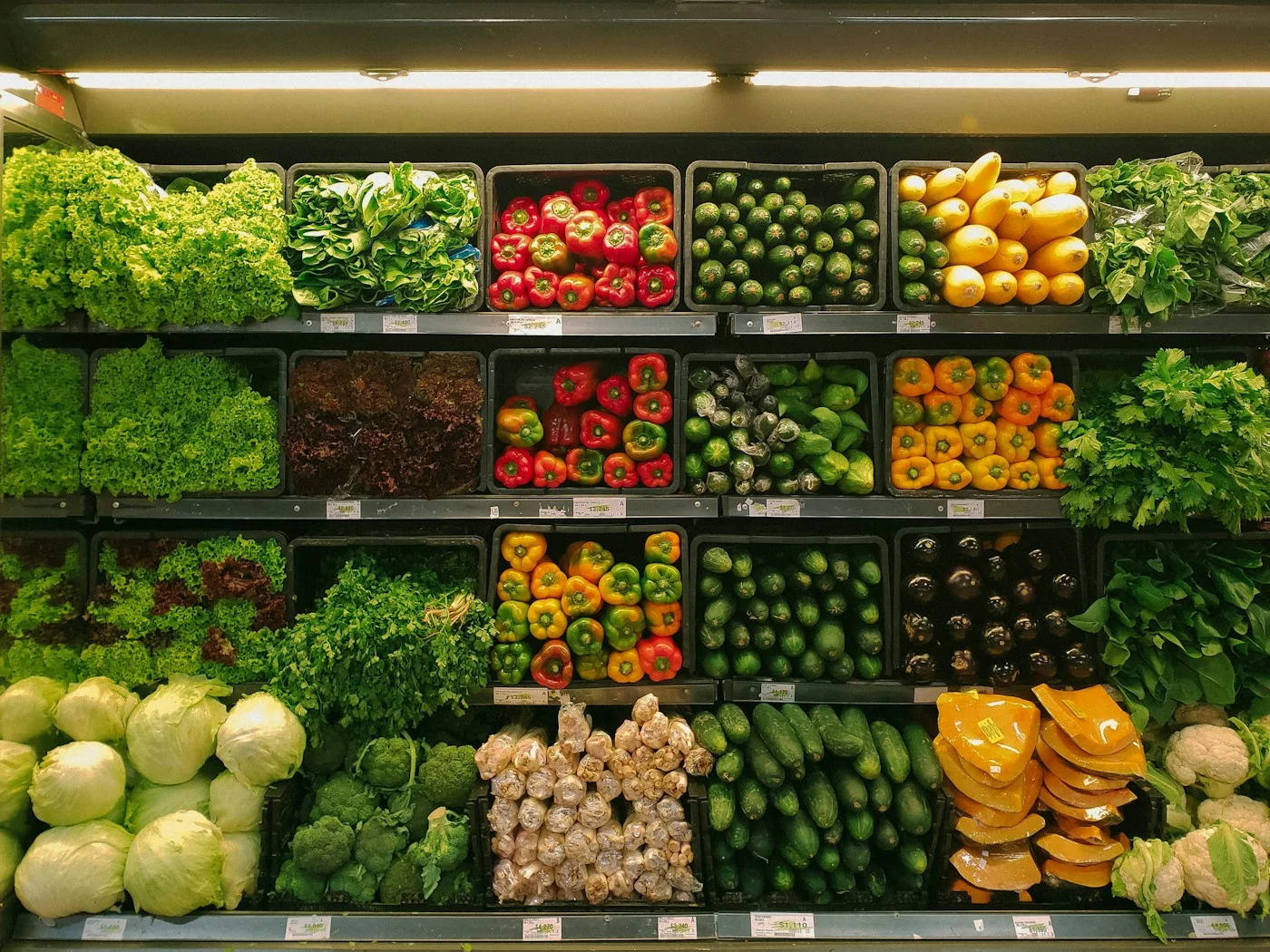
A colourful produce display can feel strongly connected to the place where you encounter it. That impression does not establish where every item was grown or how it reached the stall. If origin matters to your interest or purchase, separate the setting from the product information. Look at what is actually stated and ask a focused question rather than building a story through the atmosphere of the market.
Notice the difference between a setting and a source
The market tells you where the produce is being offered, not necessarily where it originated. A basket, handwritten sign or traditional-looking display may be part of how the stall presents its goods. None alone identifies a grower or establishes a complete journey from field to table.
You can enjoy the colours and arrangement without turning that enjoyment into a claim. A personal note might describe what you saw and the question it raised. Leave phrases about local origin, season or production method out unless you have a reliable basis for using them about the actual item.
Read the information attached to the product
Look for clear labels relevant to the specific produce rather than assuming one sign applies to everything on the stall. Keep the wording exact in your own notes if the distinction matters. An ambiguous or unfamiliar term is a reason to seek clarification, not permission to choose the meaning that best fits your travel story.
This guide does not interpret legal labelling requirements or certify a product's origin. It offers a practical way to distinguish observation from information. Important purchasing or dietary questions need the appropriate reliable answer for the actual product, beyond the appearance of the display.
Ask one focused seller question
If the seller is available, ask about the particular item you are considering. A question about where this batch came from is clearer than asking whether everything is local. Give the person room to explain what they know and avoid pressing for a more romantic answer when the straightforward one differs from your expectation.
Where language creates uncertainty, use a clear suitable translation method and confirm the important meaning. Do not treat a friendly gesture or brief nod as a detailed account of origin. You can choose not to rely on an answer you do not understand.
Keep the purchase decision connected to the trip
If you intend to buy, consider what you can appropriately use during the stay and follow relevant product and food guidance. A beautiful display does not create a meal plan or suitable storage by itself. The weekday lunch bag guide illustrates the wider value of planning through an actual use rather than a collection of attractive objects.
Keep any written record proportionate. The notebook review guide can help you separate an established detail from a question still open. A market visit remains worthwhile when all you take away is a more careful observation. You do not need to purchase something or claim a provenance story to have paid attention to the place.