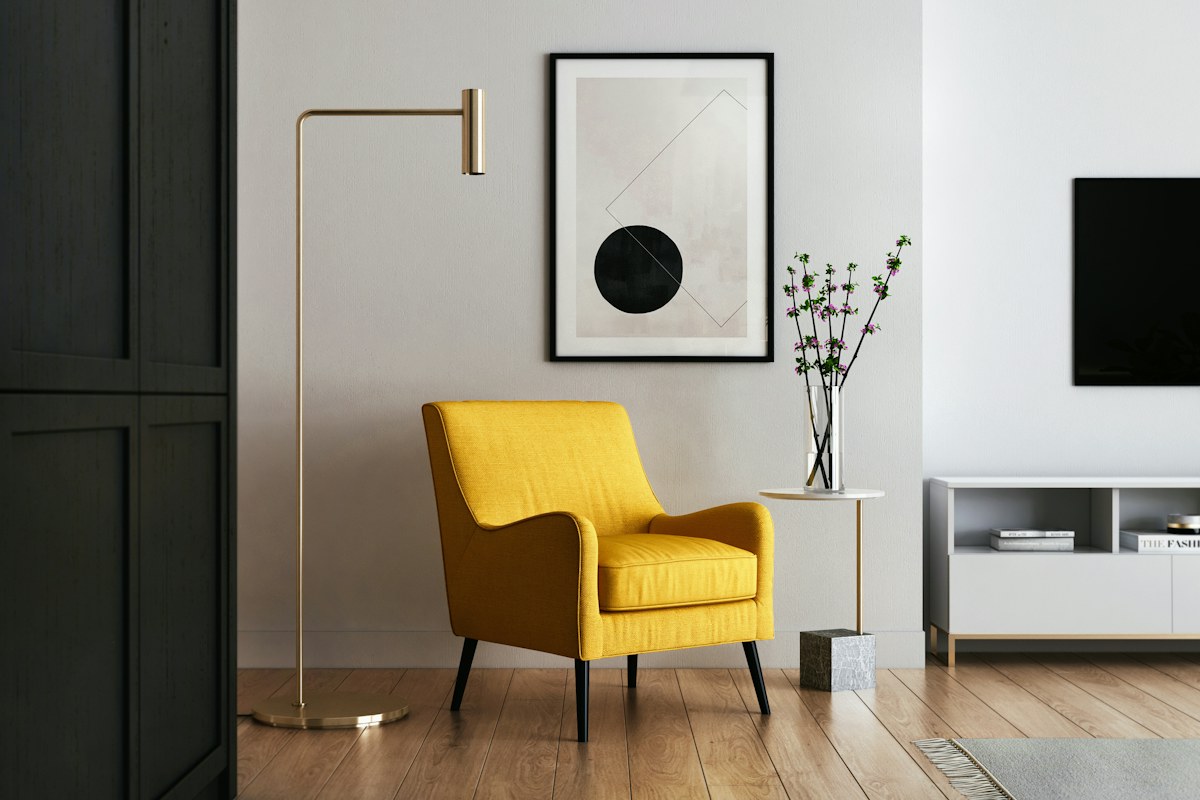
An occasional chair occupies more space in use than its empty outline suggests. Someone needs to approach it, sit comfortably and get up again while the room continues to work around them. Check that occupied arrangement before choosing a chair because its colour or compact dimensions look right in a corner.
Define the chair's real role
Decide whether the seat will support reading, conversation, guests or another activity. Ask the intended user what they need and leave comfort judgments with them. A product described as occasional should not be assumed suitable for every person or every length of use.
The small reading corner guide offers a useful example of connecting furniture to an ordinary task. A reading chair needs an arrangement that works for the reader, rather than a space chosen only because a lamp and cushion can be styled beside it.
Measure more than the empty footprint
Consult the chair's actual dimensions and product requirements. Consider the approach and the area needed when someone is seated, including their own requirements for movement. Do not invent a universal clearance that can establish suitability for every user or room.
Keep routes and exits clear, and respect the relevant building or equipment requirements. A chair should not rely on being moved every time a door opens if that makes the room's ordinary use awkward. Check the room's existing furniture in its realistic position rather than shifting everything aside for the measuring exercise.
Include nearby objects deliberately
Add only the table, light or other items needed for the chair's role. Check their own suitability and instructions. A side table can appear convenient while occupying the approach that made the chair usable, so review the complete group rather than evaluating each object in isolation.
The small gathering living-room guide helps consider another person's presence. A chair used during conversation needs a sensible relationship to the other seats and a practical way for people to move around the group.
Use a realistic trial where possible
Follow a seller's permitted assessment process and let the intended user judge the seat. Consider getting in and out as well as the moment of sitting. A brief attractive pose cannot establish long-term suitability, and a photograph of someone else in the chair does not answer your own comfort questions.
Review product care, delivery dimensions and the actual purchase terms before buying. If the room cannot support the occupied arrangement, choose another appropriate option or leave the space open. For a chair already owned, a different suitable position may solve the issue without adding furniture. The useful result is a seat whose everyday role and surrounding movement are understood, with the room still available to the people who live in it.