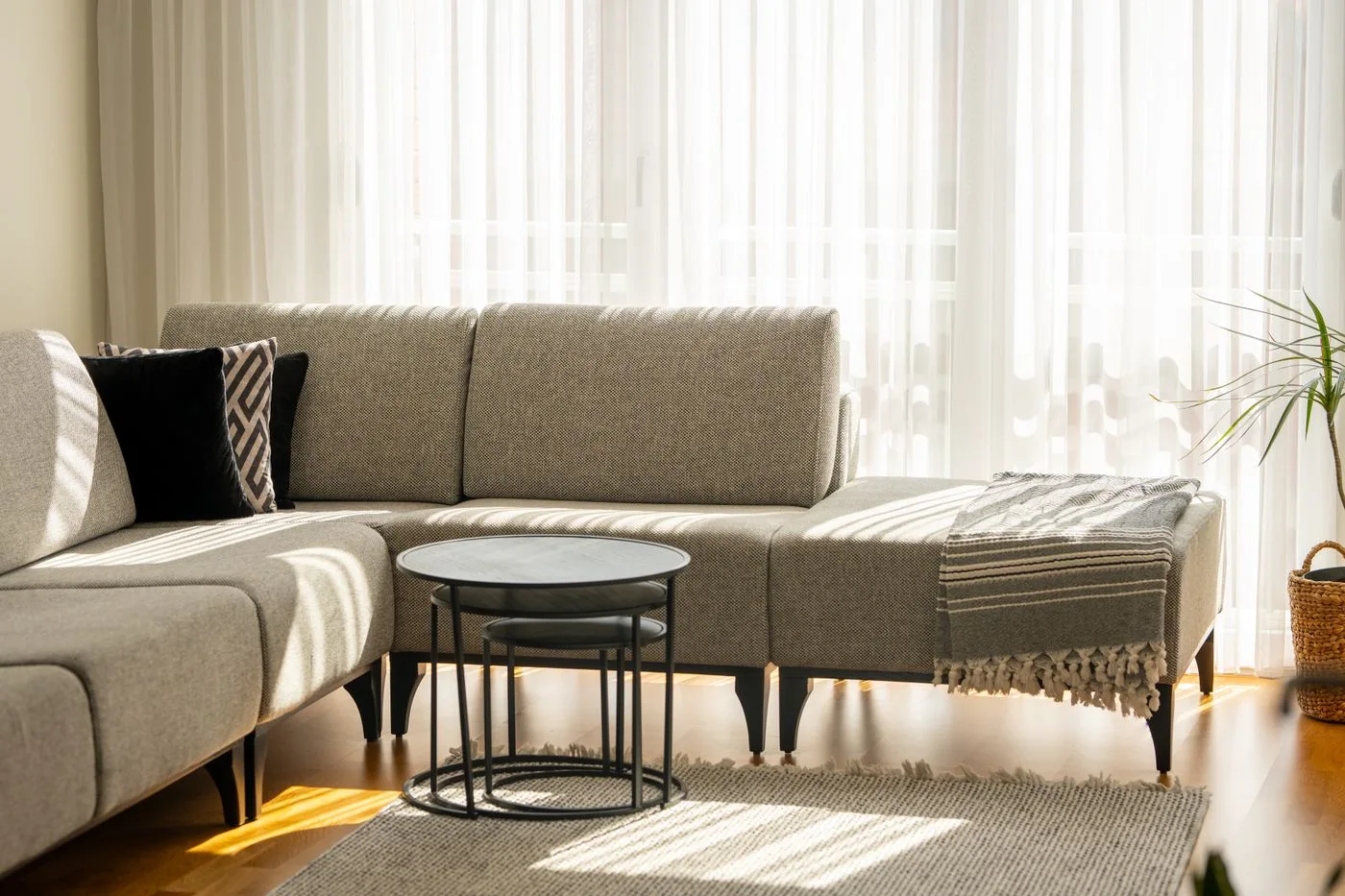
Offering a guest a seat can be welcoming without deciding their preference for them. Make the available choices understandable and let the person respond without a public explanation of private needs. The room should be ready enough that the choice is real, not a question asked while every usable place is covered in belongings. A small ordinary invitation can do more than a complicated seating plan based on guesses.
Prepare the places you can genuinely offer
Clear the ordinary seats and the routes people need to use them. Keep bags, papers and decorative objects in appropriate places rather than asking the guest to find somewhere for them. The living-room gathering guide helps with this practical preparation before arrival.
Use furniture appropriately and resolve important individual requirements through the actual person and relevant guidance. This article does not assess access or medical suitability. A seat that looks comfortable to the host is not evidence that it meets every guest's needs.
Offer the choice in plain words
Point out the actual available options and ask which the guest would prefer. Avoid explaining that one is obviously better for someone of their age, height or appearance. Those assumptions can make an ordinary preference feel like a judgement the person must correct.
If only one arrangement is available, describe it honestly rather than presenting an imaginary choice. Ask about an important concern before relying on the setup, and look for an appropriate alternative where needed. Warmth does not require pretending the room can offer something it cannot.
Keep the question private enough
A guest can choose a different seat without giving the whole gathering a reason. Accept the answer and help with a practical adjustment if it is appropriate and agreed. Do not turn the preference into a joke or ask other guests to vote on whether it is necessary.
The conversation can remain modest: one person prefers a clearer view, another wants to sit near the people they are speaking with. Keep what they tell you at its actual level rather than interpreting it as a broader statement about their health, personality or enjoyment of the occasion.
Include the ordinary use of the room
Consider where drinks, coats and other belongings will go through a suitable arrangement. A place can look ready while leaving no manageable surface for the things the guest actually has. The chair occupied-space guide considers the room around a seat rather than its outline alone.
Allow a reasonable change during the gathering. The guest may want to join another conversation or use a different permitted place later. The first seating choice does not need to become a rule for the entire visit.
Afterwards, return the room through its ordinary arrangement and keep only a practical preference that is appropriate and useful for a future invitation. You do not need a detailed record of a guest's reasons. The choice has worked when the person could settle comfortably on their own terms, with the actual setup and any important requirements understood rather than guessed.