A wall-art group can be edited on paper before any frame moves. Start with the actual images and the view from the places you occupy, then test one change in a small plan. The purpose is to clarify a visual idea, not to turn a passing thought into immediate installation work. A rough arrangement can reveal that the group needs a different relationship, a quieter edge or no physical change at all.
Identify the actual group
List the images and note which ones you genuinely want to keep in this arrangement. A frame that has always hung there does not automatically need to remain part of every new idea. Equally, a familiar group can stay unchanged if you still enjoy it.
Keep the individual appeal of each image separate from the layout. Moving a print around will not necessarily solve the fact that you no longer want it in the room. You can close that question privately without making the whole wall responsible for it.
Draw a simple view of the space
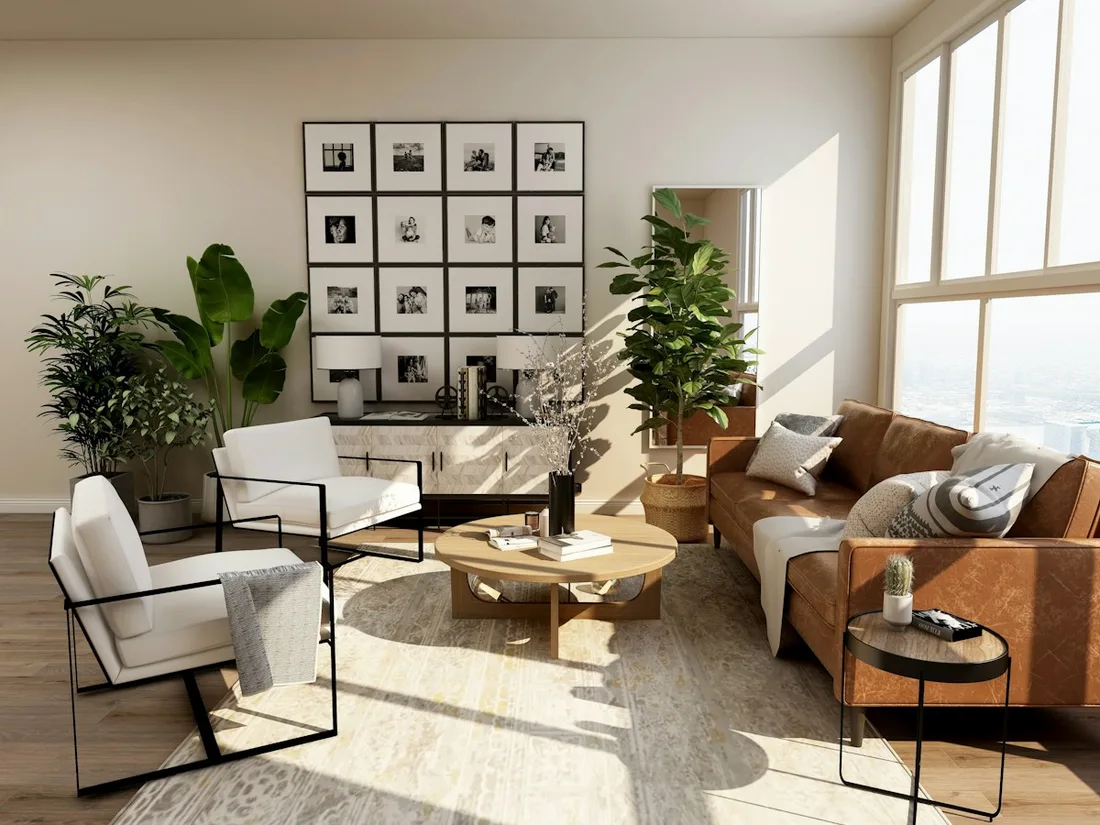
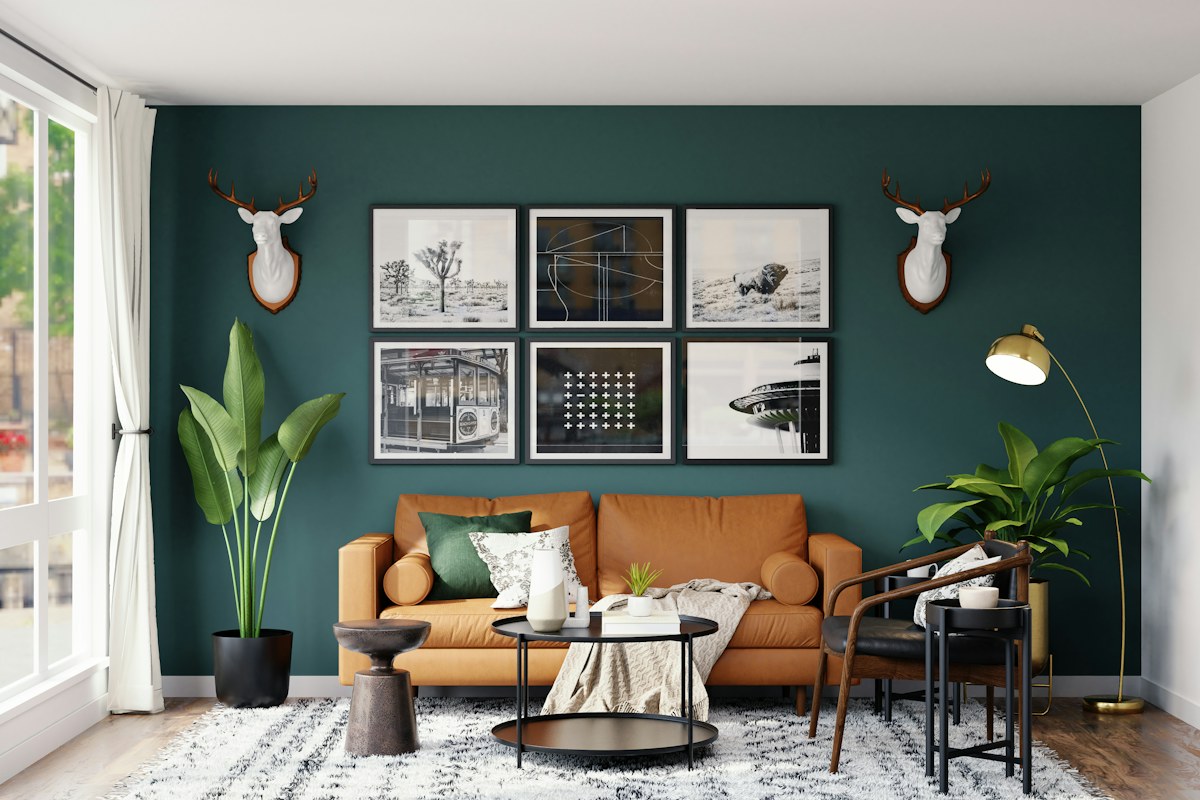
Use small labelled shapes to represent the actual frames and nearby furniture. Include enough of the surroundings to understand the group rather than drawing only a row of floating rectangles. The plan can be approximate for an initial visual comparison; technical dimensions and installation requirements need their own accurate basis later.
Look at the wall from ordinary occupied positions before deciding what the sketch should emphasize. The arrangement seen from a sofa can differ from the close view used while hanging pictures. The living-room gathering guide helps keep the actual room and its people central.
Change one relationship at a time
Try removing one shape from the paper group, changing an order or leaving more visible space around a particular image. Compare the result with the first version. If several things change together, it becomes harder to know which decision improved the relationship you cared about.
Do not add more frames automatically to fill every blank area. A gap can be part of an arrangement you enjoy, or it can simply leave the wall available for ordinary use. The sketch is a way to explore that preference without an immediate purchase.
Keep the objects and installation separate
Use appropriate care and handling for the actual prints and frames. Do not dismantle, lean or move them into unsuitable positions to imitate the paper layout. Any real installation question needs the relevant product, building and competent guidance for the actual objects and wall.
The occasional-chair space guide offers a related distinction between an appealing plan and the room's real use. A visual edit should not create a physical problem the drawing concealed.
Keep the version you prefer with a short note about why, including any practical question still open. You can return to it later or decide that the existing arrangement is enough. The paper edit has worked when it makes one visual choice clearer while leaving the actual frames, room and next step on an appropriate practical basis.