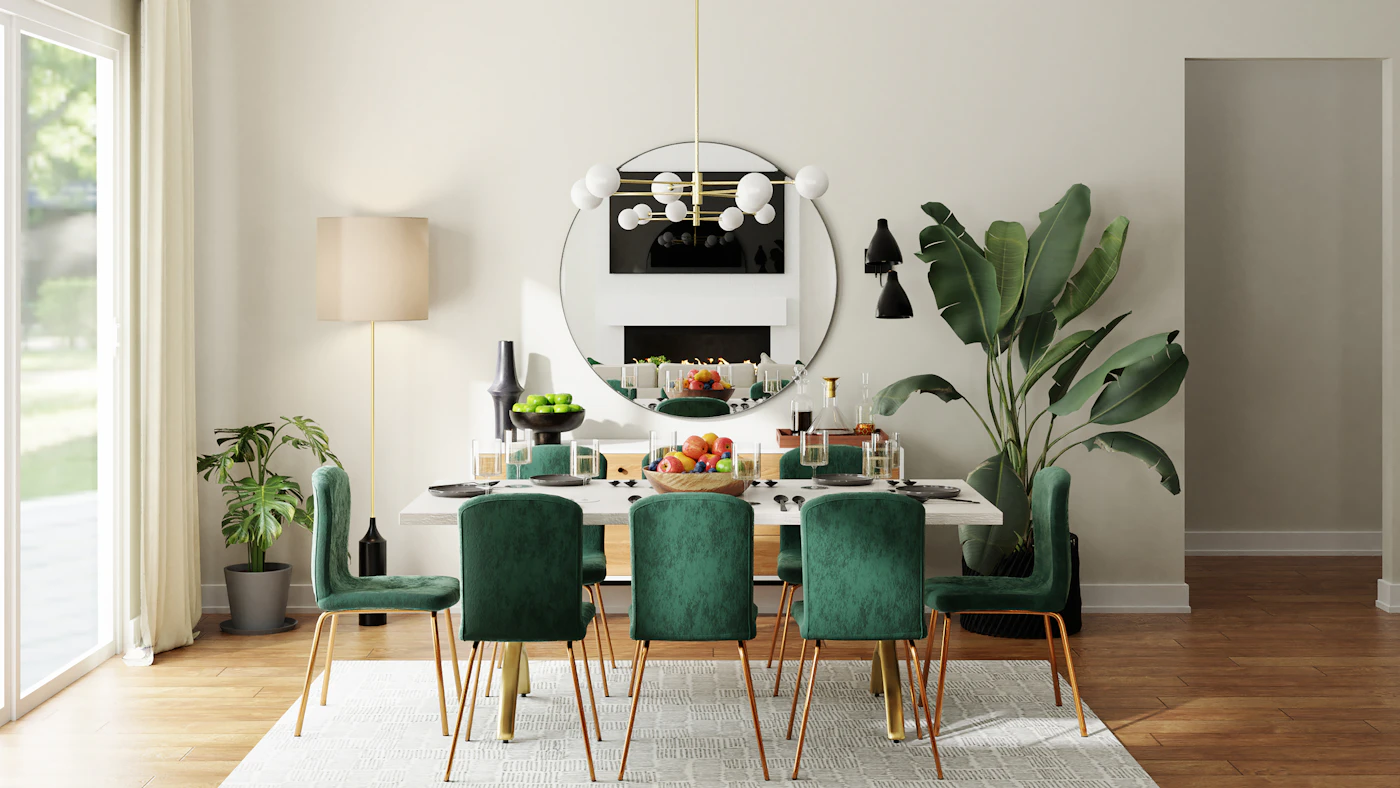
A mirror is part of a room's visible arrangement through what it reflects, not only through its frame. Look from the positions people actually occupy before adding more decorative objects. A surface that seems quiet from the doorway may show a busy background from the dining chair. The useful comparison is the reflection you can actually see, rather than a general promise that another object will make the room feel complete.
Begin with the mirror as it is
Leave the mirror in its appropriate installed position and observe it from an ordinary place. Do not move or adjust a fixed object simply to test a passing visual idea. Any installation or handling question needs the relevant competent and product guidance for the actual object and wall.
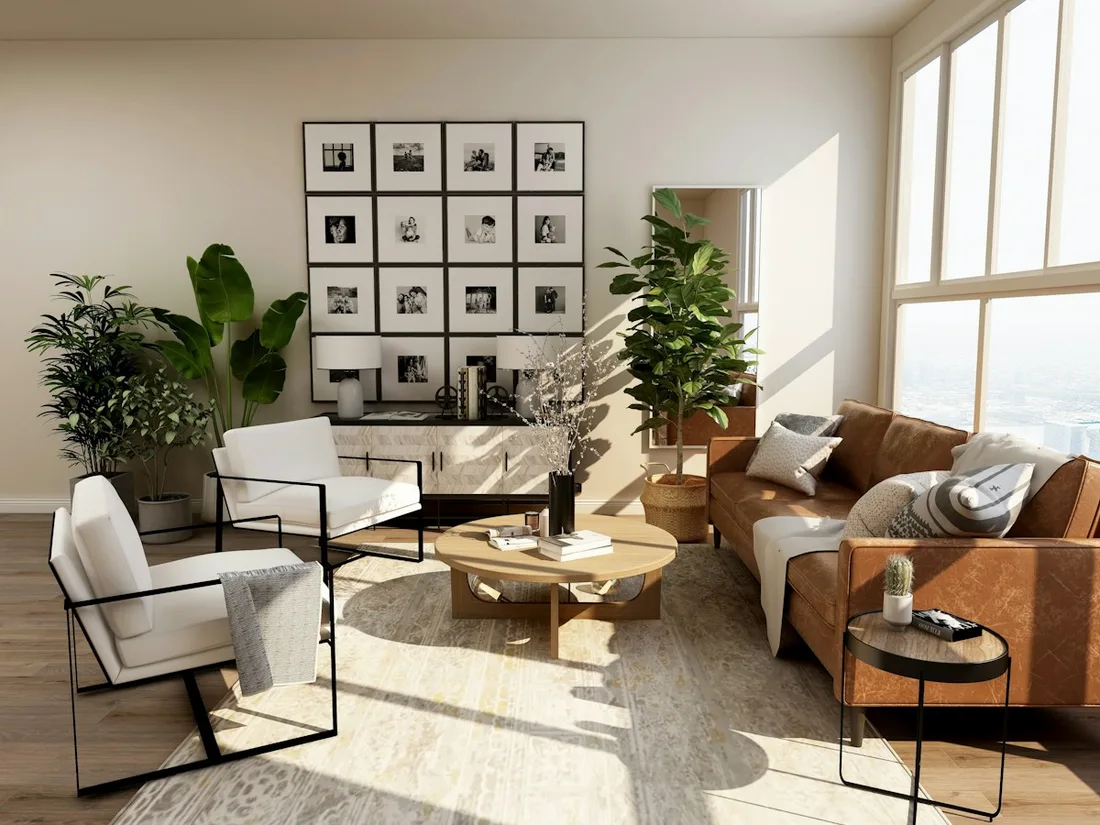
Notice what occupies the reflected view: furniture, a window, another wall or ordinary household belongings. Describe it plainly before deciding whether anything is missing. The reflection may already contain more visual detail than you registered while looking only at the frame.
Compare occupied positions
Look from a seat or another place you normally use, where it is appropriate to do so. A different position can reveal a different part of the room. You do not need to make every possible view identical; choose the ones that matter to the room's real use.
The lamp-shade occupied-view guide considers another object through the view people actually have. The same attention here can prevent a decorative decision made only from the position used while arranging the room.
Identify one relationship to change or retain
You might enjoy the reflection of a quiet surface or find that several unrelated objects now appear together. Ask which specific relationship matters. Removing one temporary object from its inappropriate place may answer the question more clearly than buying another decoration.
Keep private information and other people's belongings under their control. A mirror can make something visible from another angle, so review the actual room rather than treating the reflected area as a separate display space you are free to rearrange.
Try a modest ordinary adjustment
If an object is yours and can appropriately be moved within its normal use, compare one alternative at a time. Keep routes, surfaces and product requirements clear. A paper note can record the idea when a physical change would involve installation or another unresolved task.
The entry mirror and bag-placement guide helps keep reflection and practical use from being considered separately. A visible arrangement should still let people use the actual room and its belongings normally.
Look again from the relevant seats and decide whether the change answered the original question. You may find that the current reflection is already enough. That is a complete decision, not a reason to search for a more elaborate one.
Finish with the room ready for ordinary use and any technical question left with the appropriate source. A mirror review has served its purpose when it makes the existing view more understandable. It does not need to produce a larger-looking room, a new display or another purchase to justify the attention you gave it.